
Iran Resumes Operations at Major Airports Amid Ongoing Conflict
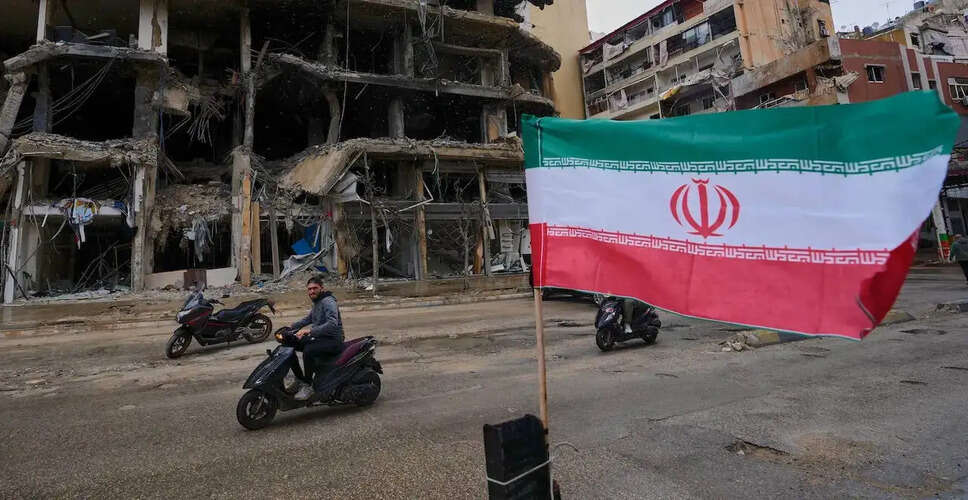

Iran's Airports Reopen After Conflict
On Monday, Iran announced the reopening of its primary airports, Imam Khomeini and Mehrabad, in Tehran, following a period of closure due to the ongoing conflict with the United States and Israel. The Civil Aviation Organisation confirmed that passenger flights at both airports have been authorized to resume, as reported by the ISNA news agency. Additionally, it was noted that flights from ten other airports across the nation will commence starting Saturday.
This announcement comes as the military engagement between the US and Israel against Iran approaches its two-month mark. The conflict began on February 28, when Israeli and American forces launched a significant airstrike on Tehran, resulting in the death of Iran's Supreme Leader Ayatollah Ali Khamenei, along with several aides and family members. In response, Iran has targeted Gulf nations, including the UAE, Saudi Arabia, Kuwait, and Qatar, which host US military bases, while also conducting strikes against Israel. Furthermore, Tehran has obstructed the crucial Strait of Hormuz, a vital maritime route, to exert additional pressure on the United States, thereby affecting global oil and gas trade.