
Iran Responds Firmly to Trump's Threats Over Strait of Hormuz
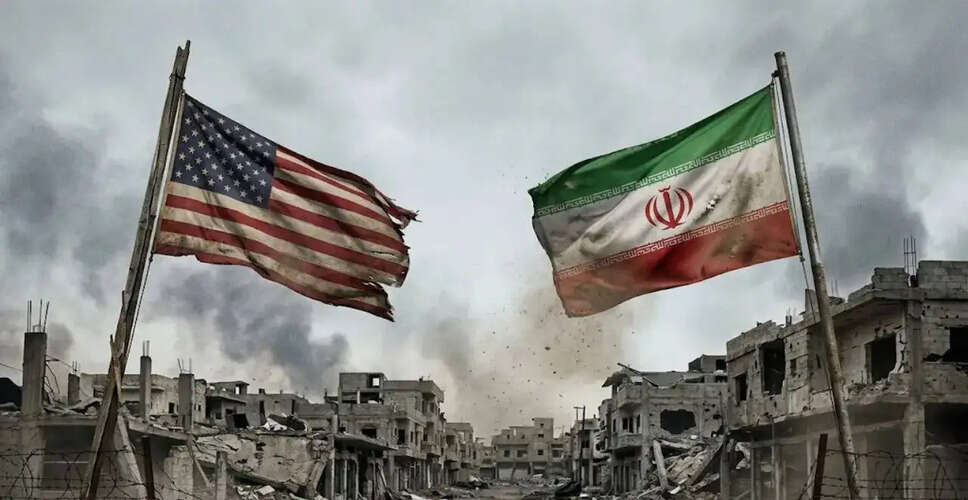

Iran's Strong Retaliation to U.S. Threats
In a swift reaction to President Trump's recent threats to target Iranian infrastructure, Iran has issued stern warnings. Trump had stated that any future attacks on vessels in the Strait of Hormuz would lead to U.S. strikes on Iranian bridges and power plants. Senior Iranian officials quickly responded, emphasizing that such actions would have repercussions extending beyond Iran's borders.
RapidResponse47
2079914678314996168
In his social media announcement, Trump warned that any Iranian aggression against vessels in the strait would result in the destruction of a bridge or power plant, including those near Tehran. Targeting civilian infrastructure could potentially be classified as a war crime under international law.
Iran's Military Command Issues Directives
Iran's Military Command Draws the Line at the Strait
The Khatam al Anbiya Central Headquarters, which oversees Iran's military operations, declared that the Strait of Hormuz is effectively closed to unauthorized vessels. They specified that any ship wishing to navigate through must adhere to Iran's established protocols. The headquarters warned that if the U.S. acts on its threats, Iran would retaliate by halting all oil exports from the region and targeting economic infrastructure.
Negotiations and Threats Intensify
Iran's Chief Negotiator Frames It as All or Nothing
Mohammad Bagher Ghalibaf, leading Iran's peace negotiations, stated that if Iran is unable to export oil, no other regional country will either. He emphasized that the security of the region hinges on the withdrawal of U.S. forces, asserting that Iran's security must be prioritized.
A Clear Message from Iran's Foreign Minister
Foreign Minister Promises an "Eye for an Eye"
Iran's Foreign Minister, Abbas Araghchi, reiterated that any aggression against Iran would elicit a strong response. He warned that those who facilitate such attacks would also be considered legitimate targets, reinforcing Iran's commitment to defending its sovereignty.
Global Implications of Rising Tensions
A Warning About Global Fallout
Ali Akbar Velayati, an advisor to Iran's supreme leader, cautioned that underestimating Iran's resolve could have far-reaching consequences, affecting global energy markets and the economy. He urged the White House to reconsider its approach, as threats would only exacerbate instability.
Regional Tensions Escalate
Tensions Already Spreading to Neighboring Countries
Iran has consistently warned that increased U.S. attacks could escalate the conflict further. Recent assaults on power and water facilities in Kuwait have raised alarms among Gulf Cooperation Council nations.
Impact on Oil Markets
Oil Markets Feeling the Strain
The ongoing tensions have led to heightened anxiety in energy markets, with oil prices surging to their highest levels in over a month. The Strait of Hormuz, a crucial route for global oil shipments, has become a focal point of conflict, with Iran demonstrating its ability to influence traffic through threats alone.