
Iran Proposes to Reopen Hormuz Strait in Two Days Based on US Conditions
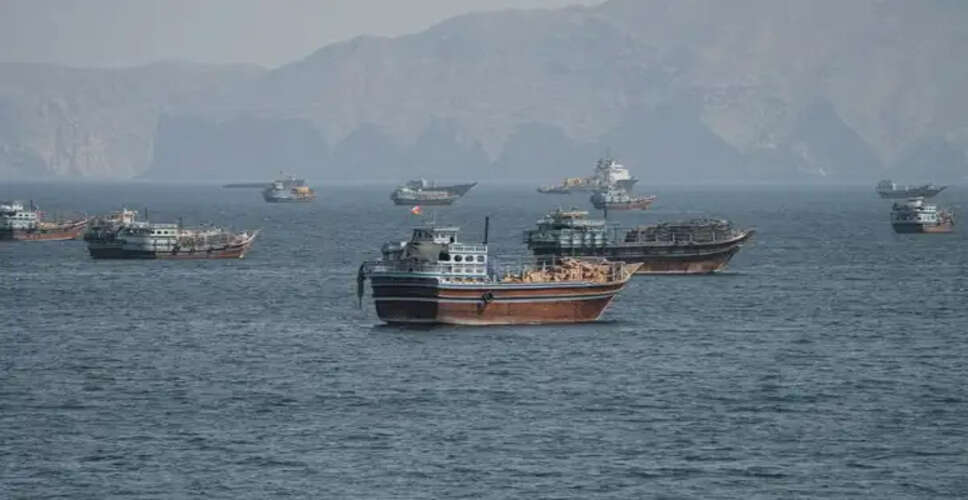

Iran's Offer to Restore Shipping in Hormuz Strait
Ismail Baqaei, spokesperson for Iran's Foreign Ministry, announced that Iran is prepared to reopen the Hormuz Strait and resume shipping activities within two days if the United States agrees to its demands. Tehran has indicated that communication with the US is ongoing through intermediaries, and the outcome now hinges on the US's response.
According to the spokesperson, Iran has committed to restoring security in the Strait, contingent upon fulfilling its conditions during negotiations mediated by countries like Qatar and Oman. Previously, Iran had proposed a seven-day timeline for this process, which has now been shortened to just 48 hours.
Key demands from Iran include a cessation of military conflicts across the Middle East, lifting the US maritime blockade, unfreezing Iranian funds held abroad, removing sanctions on the oil sector, and recognizing a new maritime route agreed upon with Oman.
This development comes amid heightened uncertainty in the region following the recent US midterm elections, with concerns about potential attacks on Iran by the US and Israel. While a direct agreement between Washington and Tehran has not yet been established, negotiations continue through intermediaries. The Hormuz Strait is a crucial passage for global crude oil supplies, and its closure has caused significant tension in international energy markets.