
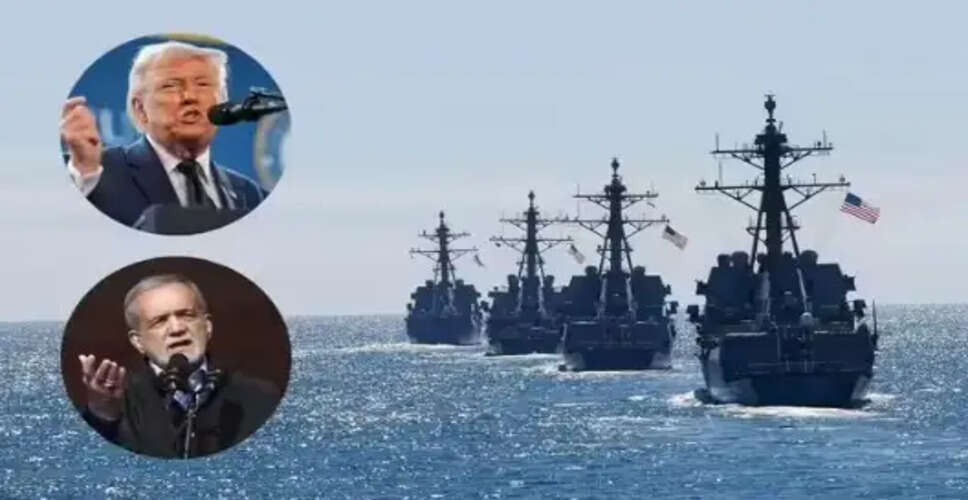

Tehran: Iran has expressed a positive response regarding the reopening of the Strait of Hormuz. The country is proposing to lift the blockade on this crucial global energy supply route without discussing its nuclear program. This proposal comes at a time when the Iranian Foreign Minister is visiting Russia, which he described as an opportunity to consult with Russia concerning the ongoing conflict with Israel and the United States. Officials from Iran and Russia, speaking on condition of anonymity, indicated that as part of this proposal, Tehran also seeks the lifting of sanctions imposed by the U.S.
Iran Sends New Proposal to the U.S.
However, there are concerns that the proposal sent to the U.S. via Pakistan may not receive approval from President Donald Trump. Trump aims to eliminate Iran's nuclear program as part of a comprehensive deal to reopen the Strait of Hormuz and establish a lasting ceasefire. In an interview with Fox News on Sunday, Trump stated, “We hold all the cards. If they want to talk, they can come to us or call us.”
Why Does Iran Want the Blockade Lifted?
The U.S. has imposed a complete naval blockade on Iran, which means that the Iranian economy can only withstand this pressure until August 2026 at most. If the blockade continues beyond this point, the risk of a collapse in Iran's economy will increase significantly. Reports suggest that this timeline is based on Iran's current oil reserves “floating” in the sea and its ability to maintain alternative revenue sources despite the blockade.
Why is Iran Under Pressure from the U.S.?
Due to the U.S. blockade, Iran's onshore oil storage capacity will be completely filled within 13 to 20 days. Once this limit is reached, Iran will have to shut down its older oil wells, which could lead to permanent geological damage known as “water coning.” The Iranian economy can sustain itself for about 3 to 4 months due to the oil currently on ships at sea. It is estimated that there are currently 160-183 million barrels of Iranian oil at sea, providing temporary relief to its economy. If the U.S. blockade persists until August 2026, Iran's existing financial and logistical stock could be entirely depleted, leading to a collapse of its economy and increased hardships for the general population.