
Iran Proposes New Talks with the US Amid Gulf Tensions
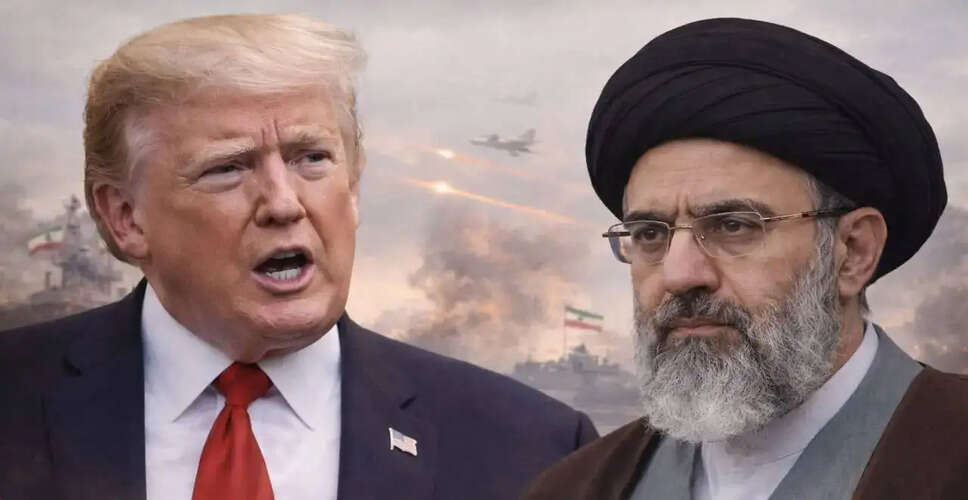

Iran's Diplomatic Outreach
According to the Islamic Republic News Agency (IRNA), Iran has initiated a new proposal for negotiations with the United States, utilizing Pakistani intermediaries. This development could potentially rejuvenate stalled diplomatic efforts at a time when tensions in the Gulf are escalating. The timing is crucial, as a fragile ceasefire is currently in effect, and there are increasing concerns about the possibility of renewed military confrontations, which have already caused significant reactions in global markets. However, specifics regarding the proposal have not been disclosed, and it remains uncertain if the message has been officially communicated to Washington.
Impact on Oil Prices
Oil Prices Dip After Diplomatic Signal
The global oil market responded quickly to this news, with prices that had previously surged due to rising tensions experiencing a decline. This shift has sparked cautious optimism regarding a potential diplomatic resolution. The situation has been worsened by Iran's blockade of the Strait of Hormuz, a vital passage that facilitates nearly 20% of the world's oil and gas shipments. This blockade, combined with US efforts to limit Iranian crude exports, has disrupted supply chains and increased energy prices, raising fears of a broader economic downturn. Financial markets remain unstable, with investors closely monitoring developments in this strategically important shipping corridor.
Ongoing Tensions and Military Risks
Fragile Ceasefire, Rising War Risks
Since April 8, a ceasefire has been in effect, yet tensions continue to run high. Reports suggesting that US President Donald Trump might be briefed on new military strike options had previously driven oil prices to a four-year peak. Iran has reportedly activated its air defense systems in anticipation of a potential 'short and intensive' US strike, which could be followed by actions from Israel, as reported by Reuters. Washington has not clarified its next steps. Trump has expressed dissatisfaction with previous Iranian proposals and reiterated that Iran must not be allowed to develop nuclear weapons. He has also emphasized that economic pressure is a key component of US strategy, indicating that fuel prices could significantly drop if the conflict is resolved. Iran has warned of a strong retaliation in the event of any new attacks. Senior military officials have indicated that even limited US actions could lead to 'long and painful strikes' against American positions in the region. The conflict has already seen Iran targeting US-linked assets, while Iran-backed Hezbollah has launched missiles at Israel, prompting retaliatory actions. Amid rising concerns about maritime security, the US is considering forming a coalition to ensure safe passage through the strait. Discussions involving countries like France and the United Kingdom are ongoing, although their participation may depend on de-escalation efforts.