
Iran Proposes New Peace Plan to the US Amid Ongoing Tensions

Iran's 14-Point Proposal
On Saturday, Iran unveiled a new 14-point proposal directed at the United States, aiming to "end the war," as reported by the semi-official Tasnim News Agency. The US had previously requested a ceasefire lasting up to two months, while Tehran emphasized the need to resolve critical issues within a month, advocating for a focus on permanently ending the conflict rather than merely extending a temporary truce.
The Iranian proposal includes several key elements: assurances against aggression, the withdrawal of US troops from regions near Iran, lifting the naval blockade, releasing frozen Iranian assets, and removing sanctions. Additionally, it calls for a resolution to the conflict on all fronts, including in Lebanon.
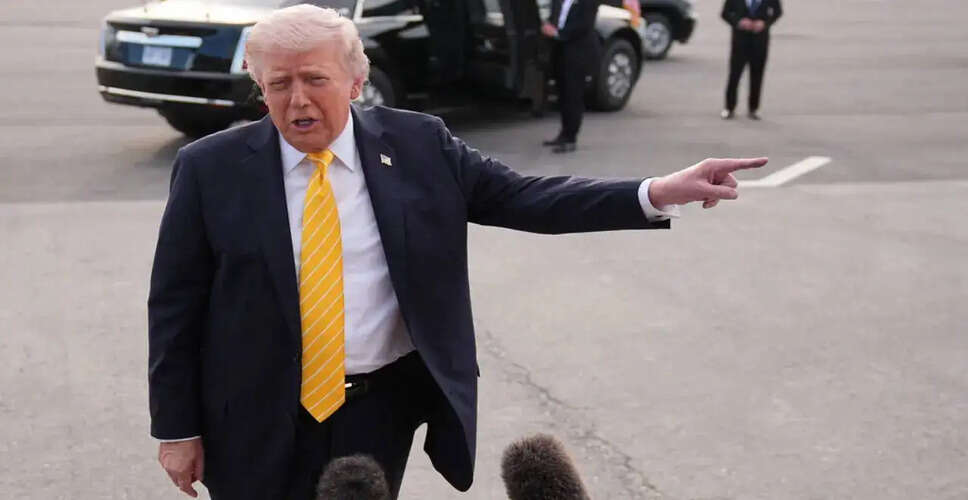
In response to this new initiative, US President Donald Trump shared his thoughts on Truth Social, stating, "I will soon be reviewing the plan that Iran has just sent to us, but can't imagine that it would be acceptable in that they have not yet paid a big enough price for what they have done to Humanity, and the World, over the last 47 years." Previously, Trump had rejected another Iranian proposal, indicating that ongoing discussions were not yielding satisfactory results.
.@POTUS on Iran's latest proposal: "I'm looking at it [on the plane]. I'll let you know about it later... They told me about the concept of the deal. They're going to give me the exact wording now." pic.twitter.com/MDLcVXYP9r
— Rapid Response 47 (@RapidResponse47) May 2, 2026
In Washington, Trump also dismissed the War Powers Resolution's deadline that mandates congressional approval for military actions exceeding 60 days. He contended that the ceasefire agreement had effectively paused this timeline, a stance that legal experts have challenged. He later referred to the Vietnam-era law as "unconstitutional." Meanwhile, officials in Islamabad believe that a deal is still achievable, although they recognize the challenges posed by both parties, with Iran aiming to enhance its leverage and the US seeking a more definitive resolution.
Pakistani officials have expressed concerns about broader economic repercussions, noting that the ongoing conflict has led to a significant rise in energy costs, with the country's monthly import expenses reportedly tripling. These latest proposals follow an extensive negotiation session in Islamabad in April, marking the highest-level engagement between the two nations since the Iranian Revolution. Iranian representatives indicated that the discussions were close to reaching an agreement before the US withdrew, while Washington claimed that Tehran had not made sufficient concessions. Plans for a second round of talks last weekend fell through after Iran declined to engage with US negotiators.
US officials have since suggested that military action may be reconsidered, while some Iranian voices have voiced dissatisfaction with Pakistan's involvement in the negotiations. A senior officer from Iran's Islamic Revolutionary Guard Corps, Mohammad Jafar Asadi, warned that renewed conflict is "likely." Another IRGC commander, Ali Rafiei Atani, stated that Iran hopes the US will further test its strength, adding, "We hope America makes a mistake and tests its power on the ground as well. It was defeated at sea and in the air, and we would like it to test itself on the ground too," asserting that the conflict has "shattered America's hollow power."
As tensions continue to escalate around the Strait of Hormuz, through which approximately 20% of the world's oil is transported, US Senator Lindsey Graham remarked to the Financial Times, "We have the capability to increase ship flow" through the strait.