
Iran Increases Pressure on US Amid Ongoing Israeli Strikes in Lebanon
Iran's Warning to the United States
Iran has escalated its demands on the United States, cautioning that the delicate ceasefire could collapse if Israeli assaults on Lebanon persist. Iranian Foreign Minister Abbas Araghchi emphasized that the conditions of the ceasefire are 'clear and explicit,' urging Washington to decide between maintaining the ceasefire or permitting ongoing conflict through Israel's military actions. 'The United States cannot have both,' Araghchi stated, as tensions heightened due to Israel's continued strikes in Lebanon.
The Iran–U.S. Ceasefire terms are clear and explicit: the U.S. must choose—ceasefire or continued war via Israel. It cannot have both. The world sees the massacres in Lebanon. The ball is in the U.S. court, and the world is watching whether it will act on its commitments. pic.twitter.com/2bzVlHFKgi
— Seyed Abbas Araghchi (@araghchi) April 8, 2026
His comments arise amid increasing debate regarding the ceasefire's parameters. Although the US and Iran agreed to a two-week halt in direct hostilities, Israel has persisted in its offensive against Hezbollah in Lebanon, which Israeli officials argue is not included in the agreement. The US has supported this view, asserting that the ceasefire pertains solely to direct confrontations between the US and Iran, excluding Israel's concurrent operations, as reported by Axios. Conversely, Iran has consistently advocated for the inclusion of Lebanon in any comprehensive de-escalation strategy, linking peace to a cessation of Israeli attacks on Hezbollah.
Israel's Continued Military Actions
Why Israel Is Still Bombing Lebanon Despite Truce
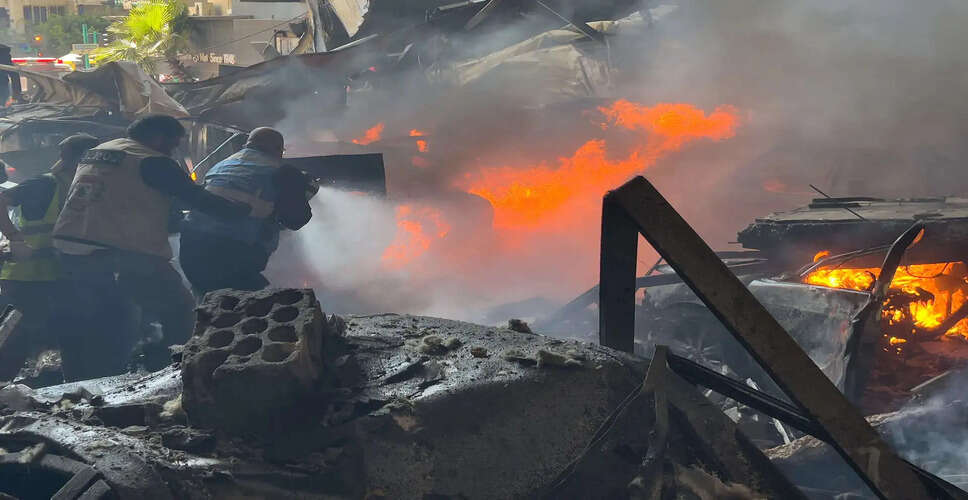
Despite the ceasefire, Israel has maintained its military operations in Lebanon, executing some of its most lethal strikes near Beirut. On Wednesday, Israeli forces conducted their most intense bombardment of Lebanon since the conflict erupted last month, targeting over 100 Hezbollah command centers and military installations in the capital. The scale and ferocity of these attacks have drawn parallels to Israel's 1982 invasion of Beirut, according to various reports. The strikes reportedly occurred without warning, causing widespread panic in the city. Residents fled the streets, and motorists honked desperately to clear the roads, as described by AFP. 'I saw the blast; it was very strong. There were children killed, some with their hands cut off,' recounted Yasser Abdallah, a shop worker in Beirut.
Ceasefire Exclusions
Ceasefire Does Not Cover Lebanon
Israeli officials have clarified that the ceasefire with Iran does not extend to Lebanon. Prime Minister Benjamin Netanyahu affirmed that military actions against Hezbollah would persist, while military spokesperson Avichay Adraee reiterated, 'The battle in Lebanon continues, and the ceasefire does not include Lebanon.' Israel, which supported the decision by former US President Donald Trump to halt strikes on Iran, has insisted that its operations in Lebanon are distinct. Meanwhile, Iran has indicated it may reconsider the ceasefire if Israeli attacks continue. Iranian Foreign Minister Abbas Araghchi raised concerns about alleged violations during a conversation with Pakistan's army chief, General Asim Munir, according to Iranian media.