
Iran Implements New Transit Regulations for Strait of Hormuz

Introduction of New Transit Framework
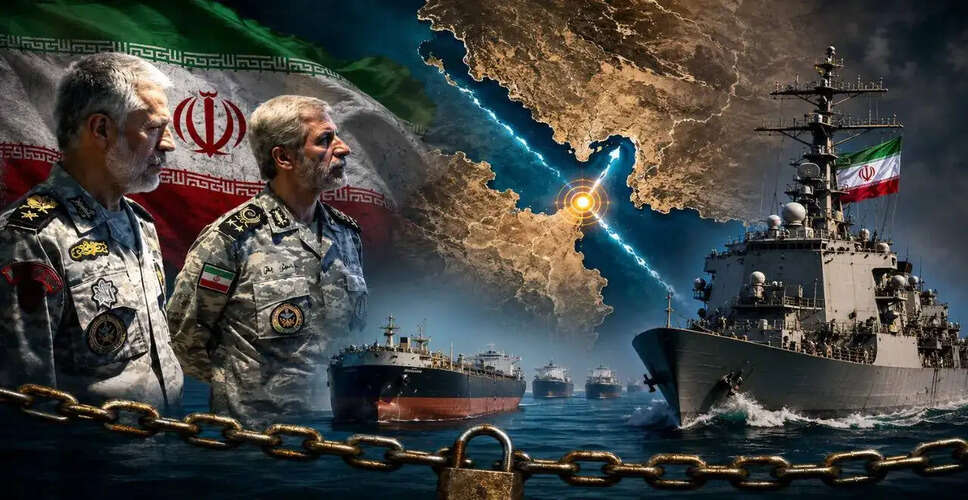
Iran has officially launched a new framework for transit authorization and toll collection for vessels navigating the Strait of Hormuz. This significant move represents Tehran's intensified efforts to assert control over this crucial maritime route, particularly amid ongoing tensions with the United States regarding the West Asia conflict and the persistent disruptions in maritime traffic in the Gulf region.
As reported by shipping intelligence source Lloyd’s List, the newly formed Persian Gulf Strait Authority (PGSA) has instituted a mandatory system that requires all vessels to secure transit clearance and possibly pay tolls prior to entering the Strait of Hormuz. This initiative marks one of Iran's most definitive attempts to convert wartime disruptions in Hormuz into a structured regulatory framework.
Mechanics of Iran’s New Transit System
How Iran’s New Hormuz Transit System Works
Under this new system, ships must fill out a comprehensive “Vessel Information Declaration” form to obtain transit approval. This document includes over 40 specific disclosure requirements, such as:
- Vessel name and identification number
- Previous vessel names
- Country of origin and intended destination
- Nationalities of owners, operators, and crew members
- Insurance details
- Cargo information
- Proposed transit route
The PGSA has mandated that vessels submit “complete and accurate information” via email before entering the waterway. After processing applications, ships will receive navigation instructions directly from Iranian authorities. Officials have cautioned that any inaccuracies or incomplete information could lead to consequences, placing full responsibility on the vessel applying for transit.
Iran’s English-language broadcaster confirmed that Tehran has established a system to assert its sovereignty over the Strait of Hormuz, with vessels receiving instructions from an email domain associated with the PGSA.
Access Conditions for Nations
Which Nations Could Get Access?
While Iran has not released an official list of countries that will have guaranteed unrestricted passage under this new system, military and political officials have suggested that access may become politically conditional. Iranian army official Mohammad Akraminia indicated that nations enforcing US sanctions against Iran would likely encounter challenges when attempting to cross the strait. He emphasized that any vessel wishing to transit must coordinate with Iranian authorities, asserting that the new system is already in effect and will yield “economic, security, and political benefits” for Iran.
Additionally, senior Iranian officials have issued warnings to Gulf states allied with the US. Ebrahim Azizi, the head of the Iranian parliament’s national security commission, cautioned regional governments, including Bahrain, against supporting US-backed diplomatic initiatives concerning Hormuz, labeling the strait a “vital lifeline” that should not be jeopardized.
The United States has expressed strong opposition to Iran's efforts to formalize control over the Strait of Hormuz, imposing new sanctions targeting Iranian maritime activities and advising vessels against making payments to Iranian authorities for passage.