
Iran Delays Announcement of New Supreme Leader Amid Security Concerns
Iran's Leadership Transition in Jeopardy
Iran has reportedly postponed the announcement of a successor to the late supreme leader Ayatollah Ali Khamenei due to concerns over potential Israeli attacks. Reports indicate that Khamenei's son, Mojtaba, was a leading candidate for the position. However, there are significant worries regarding his safety, particularly after Israel's Defence Minister, Israel Katz, stated on social media that any new leader would be viewed as "an unequivocal target for elimination." This sentiment was echoed by US President Donald Trump, who criticized Mojtaba, labeling him as "unacceptable" and a "lightweight," and expressed a desire to be involved in the appointment process, similar to his involvement in Venezuela.
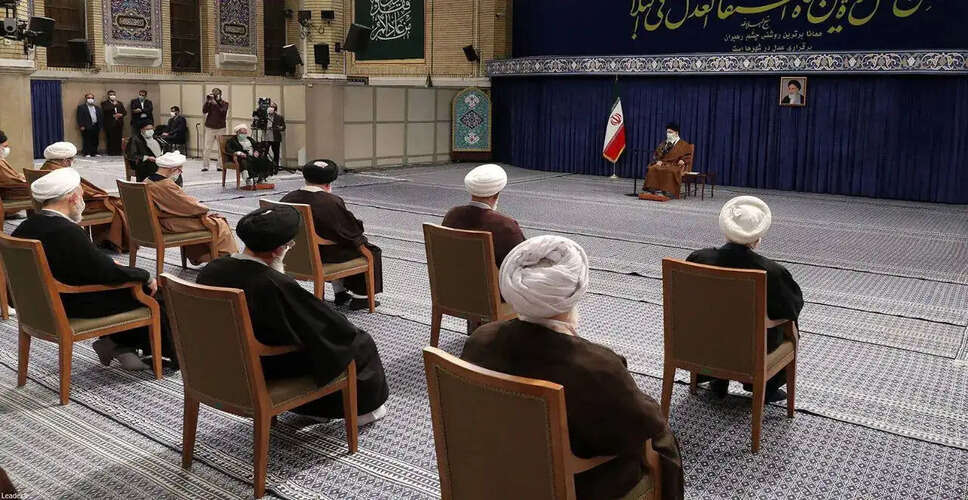
The selection of Iran's new Supreme Leader is currently under scrutiny following Khamenei's passing. The Assembly of Experts is responsible for this critical decision, but the process is complicated by ongoing military pressures from the US and Israel, raising concerns about the successor's safety. Analysts suggest that officials are intentionally delaying the announcement to prevent a pre-emptive strike against Mojtaba. Should he be appointed, his leadership would likely ensure the continuation of hardline policies and strengthen connections with influential state bodies, including the Islamic Revolutionary Guard Corps (IRGC), which have significantly influenced Iran's strategic trajectory for many years.