
Iran Considers Withdrawal from Nuclear Treaty Amid Escalating Attacks
Iran's Potential Exit from the NPT
As tensions rise due to intensified attacks from the U.S. and Israel on its nuclear facilities and infrastructure, Iranian lawmakers are contemplating a withdrawal from the Treaty on the Non-Proliferation of Nuclear Weapons (NPT). Ebrahim Rezaei, the spokesperson for the national security commission of parliament, expressed on X that remaining in the treaty has yielded no advantages for Iran.
Tehran lawmaker Malek Shariati announced that a draft bill has been submitted for review, aiming to exit the NPT, eliminate restrictions from the now-defunct 2015 nuclear agreement, and foster a new partnership with countries in BRICS and the Shanghai Cooperation Organization, focusing on peaceful nuclear advancements.
Hardline factions within Iran have consistently advocated for abandoning the treaty and pursuing nuclear armament in response to external pressures. Any proposed legislation would need to gain approval from both parliament and the Guardian Council prior to enactment.
Iranian officials have accused the International Atomic Energy Agency (IAEA) of bias, claiming it has facilitated attacks on their nuclear sites, a charge that the U.N. watchdog has denied. Senior adviser Mohammad Mokhber criticized IAEA Director Rafael Grossi, labeling him a 'partner in crime' in the ongoing conflict, and warned that his reports and lack of condemnation for attacks on Iranian facilities could lead to irreversible decisions by Iran.
Fada-Hossein Maleki, another member of the national security commission, accused Grossi of acting provocatively to appease former U.S. President Donald Trump. Grossi had previously stated that only a nuclear war could completely obliterate Iran's nuclear program, a scenario he hopes to avoid.
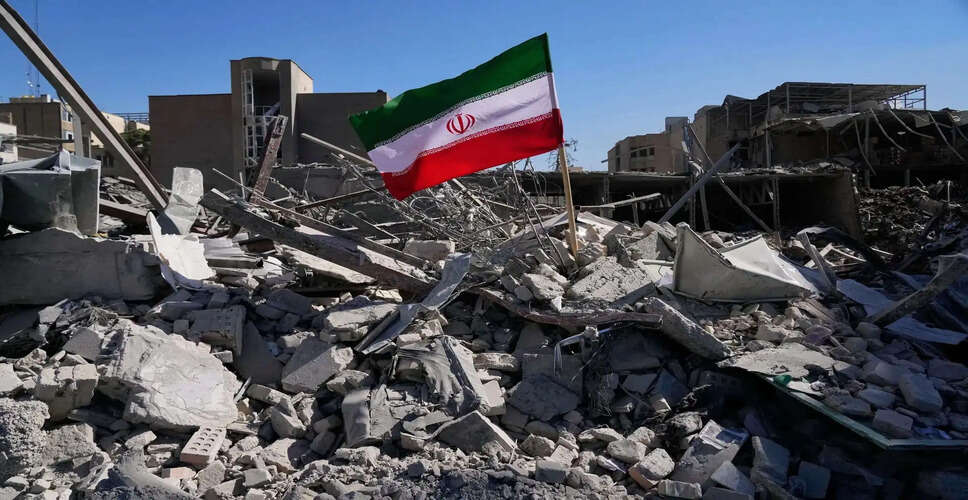
Meanwhile, U.S. and Israeli strikes have escalated, targeting vital economic infrastructure, including a yellowcake facility in Yazd and the Khondab Heavy Water Complex near Arak. Projectiles have also struck near the Bushehr nuclear power plant, raising alarms about a potential radiological disaster.
Major steel production facilities in Isfahan and Ahvaz have been hit, leading to production halts that could jeopardize thousands of jobs, as these plants are crucial for Iran's non-oil exports. These attacks occurred despite Trump postponing planned strikes on Iran's power plants until April 6, while asserting that negotiations with Tehran are progressing positively.
Recent strikes have also targeted the Iran University of Science and Technology in Tehran, damaging research and educational buildings, though no casualties were reported. Additional attacks were noted in various cities, including Karaj, Shahr-e Rey, Yazd, Shiraz, Tabriz, and Bushehr.