
Iran Conflict: Diplomatic Signals Amid Ongoing Warfare
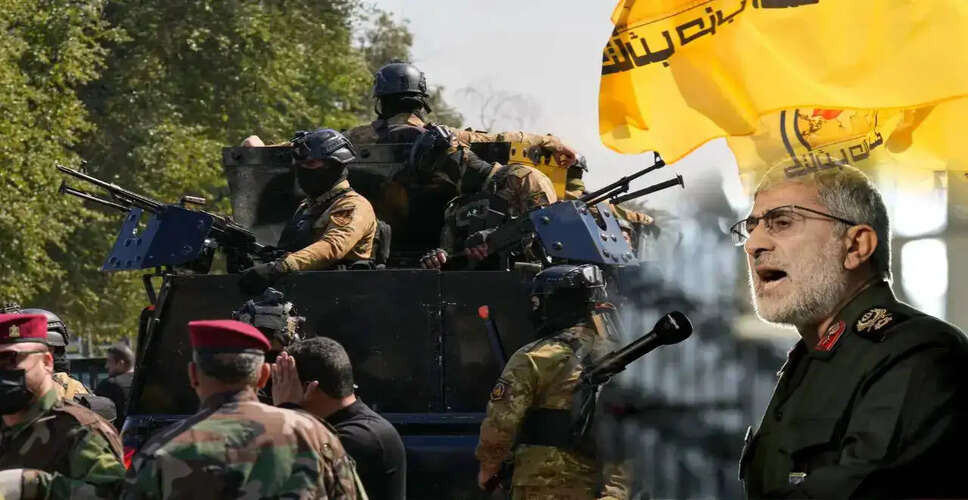
Diplomatic Efforts Amidst Ongoing Conflict
As the conflict in Iran enters its twenty-fifth day, both the battlefield and diplomatic discussions seem to be evolving simultaneously, albeit not in harmony. An Iranian source recently hinted at some quiet outreach from the United States, suggesting that Tehran might be open to proposals that safeguard its fundamental interests. However, this cautious language lacked confirmation of any formal negotiations, agreements, or timelines, merely indicating a tentative and conditional willingness to engage. Shortly thereafter, Iran's Foreign Ministry publicly refuted claims of ongoing negotiations, countering assertions made by US President Donald Trump regarding “major points of agreement.” This contradiction highlights a recurring theme in the conflict: rapid messaging that often contradicts the realities on the ground.
Continued Strikes Amid Diplomatic Uncertainty
Strikes Continue As Diplomacy Flickers
Despite the emergence of diplomatic overtures, military actions have not abated. Iran has executed multiple missile strikes on Israel, with reports indicating attacks in Tel Aviv and sirens sounding in Dimona. Israeli officials confirmed that at least seven missile waves were launched since midnight, emphasizing the scale of Iran's retaliatory efforts. Concurrently, Israel has maintained its offensive operations within Iran, targeting significant installations associated with the Islamic Revolutionary Guard Corps, indicating a strategic focus on undermining Iran's military command structure. The exchanges of fire have become more sustained and sophisticated.
Escalating Violence in the Region
Simultaneously, the conflict's geographical scope is expanding. In the occupied West Bank, there has been a notable increase in settler violence, with human rights organizations reporting an average of ten attacks daily since early March. In response, Israel has redirected military resources from its northern front, indicating strain across various operational fronts.
Market Reactions to Diplomatic Developments
Trump’s Pause, Markets React
The uncertainty surrounding diplomacy has also impacted global markets. Recently, Trump threatened to target Iran’s power grid if the Strait of Hormuz was not reopened within 48 hours. However, just before the deadline, he retracted the threat, citing progress in discussions. This abrupt change led to a significant drop in oil prices and a rally in stock markets, reflecting optimism for de-escalation. Yet, following Iran's denial of any negotiations, markets reversed their gains, with oil prices climbing back above $100 per barrel, raising concerns about continued disruptions to global energy supplies. The timing of these announcements has drawn scrutiny, with suggestions that traders may be profiting from anticipating US and Israeli military actions.
The Human Toll of the Conflict
The Human Cost Keeps Rising
Amidst the strategic maneuvers and market fluctuations, the human cost of the conflict continues to escalate. Reports indicate that thousands have lost their lives since the war commenced on February 28, including nearly 350 children. In Iran alone, at least 217 children have died, with over 120 fatalities reported in Lebanon. These evolving figures starkly illustrate that the immediate impact of the conflict is profoundly human. Communities across the region are now grappling with daily uncertainties, including air raid sirens, missile interceptions, and shifting frontlines. For civilians, the distinction between escalation and de-escalation is often irrelevant, as violence persists unabated.
Efforts for Peace Amidst Ongoing Conflict
Diplomacy Without Momentum — Yet
There are ongoing efforts to alter the current trajectory of the conflict. Pakistan has proposed to host discussions involving Iran, Israel, and the United States, while Turkey is actively engaging various regional and global stakeholders to explore diplomatic avenues. The European Commission has also called for negotiations, emphasizing the need to “end the hostilities.” However, these initiatives have yet to yield a concrete framework. Israeli officials have expressed skepticism, stating that a tangible agreement does not seem feasible at this moment, even as they recognize the potential to leverage military successes into future negotiations. As the conflict stands on Day 25, there are indications of diplomatic efforts, yet no structured framework exists. Active combat continues without a decisive resolution, leaving a widening gap filled with uncertainty.