
Iran Conflict: Diplomatic Efforts Amidst Escalating Tensions

Current State of the Iran Conflict
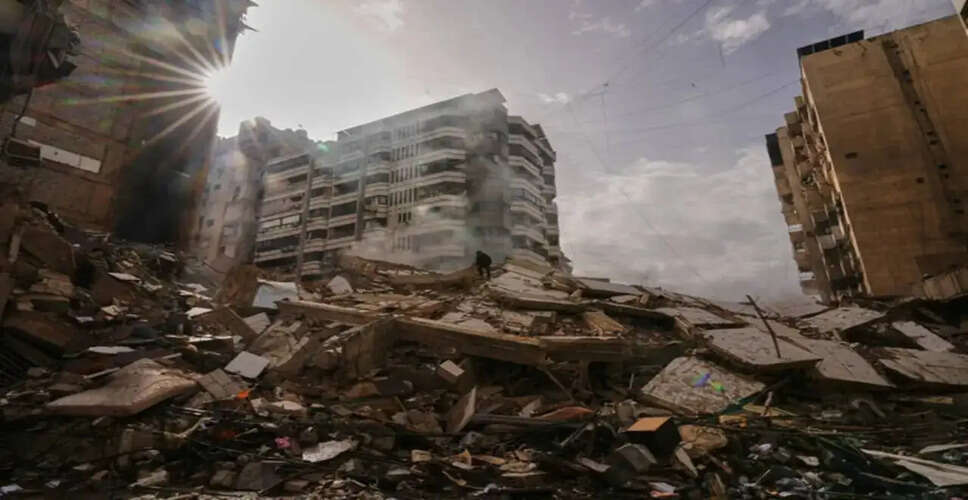
The situation in the Iran conflict is precarious, with a ceasefire on the verge of collapse and diplomatic initiatives showing some signs of advancement. Leaders in Washington and Tehran are presenting starkly different narratives, adding to the confusion. Nearly three months have passed since the United States and Israel initiated strikes on Tehran on February 28. As developments continue to unfold, the pressing question remains: Are we moving towards a peaceful resolution or sliding back into a broader regional conflict?
Prospects for Negotiation
Will Negotiations Work?
President Trump has consistently asserted that negotiations are progressing and hinted at a potential broader agreement regarding the Strait of Hormuz. U.S. officials indicate that discussions are centered on preventing Iran from developing nuclear capabilities, restoring maritime navigation through Hormuz, and establishing a framework for long-term regional stability. In a bid to alleviate global trade disruptions, Trump announced the lifting of the naval blockade on Iranian ports, a significant move that could pave the way for a broader agreement between the U.S. and Iran. However, following conflicting statements from Tehran, uncertainty remains about whether the two nations are genuinely approaching a breakthrough or merely facing another false alarm after months of inconsistent negotiations.
Trump's Stance on the Iran Deal
No Red Lines, No Iran Deal: Trump
During a two-hour meeting in the White House Situation Room, Trump left without reaching a decision on a potential agreement to conclude the Iran conflict. A White House official remarked that Trump will not endorse any deal with Tehran unless it aligns with American interests and meets his established criteria.
Iran's Position
Iran Says 'No Final Understanding Yet'
Esmaeil Baghaei, spokesperson for Iran’s Foreign Ministry, stated that communication between the two parties is ongoing but emphasized that no final agreement has been achieved. He noted, "The exchange of messages is continuing," and added that any agreement would be evaluated based on actions rather than mere promises. Baghaei remarked, "Only actions are the measure. No action will be taken before the other side acts." Additionally, Iran’s state-linked Fars news agency criticized Trump’s recent comments regarding a potential agreement, labeling them as a “mix of truth and lies” and accusing him of attempting to project a “fake victory” prior to any finalized deal. Sources from Fars indicate that no final agreement has been ratified in Tehran, and discussions are still under review.
Mutual Demands of the U.S. and Iran
What US And Iran Want From Each Other
Key Demands Of US
Iran's nuclear stockpile: The U.S.-Iran peace negotiations often stall as Washington demands a permanent commitment from Iran to refrain from acquiring nuclear weapons, including the dismantling or significant reduction of core nuclear facilities and a permanent halt to uranium enrichment within the country.
Strait Of Hormuz: The U.S. seeks the reopening of this vital waterway, through which 20 percent of the world's oil passes, and has requested the removal of mines within 30 days. Iran claims authority over this chokepoint, asserting that Oman and Tehran can impose tolls on vessels traversing the Strait of Hormuz.
Key Demands Of Iran
Release of Frozen Funds: Iran is advocating for the release of approximately $24 billion in frozen assets as part of the agreement.
Sanctions Relief: Iran demands the lifting of all primary and secondary U.S. sanctions, along with the termination of existing United Nations and International Atomic Energy Agency (IAEA) resolutions that restrict Iran's conventional trade and ballistic missile capabilities.
Withdrawal of US Troops: Iran is calling for the complete withdrawal of U.S. combat forces from the region, an end to U.S. or allied attacks on Iran and its proxy forces, and a cessation of hostilities on all active fronts.