
Iran Confirms Death of Senior Security Official Gholamreza Soleimani
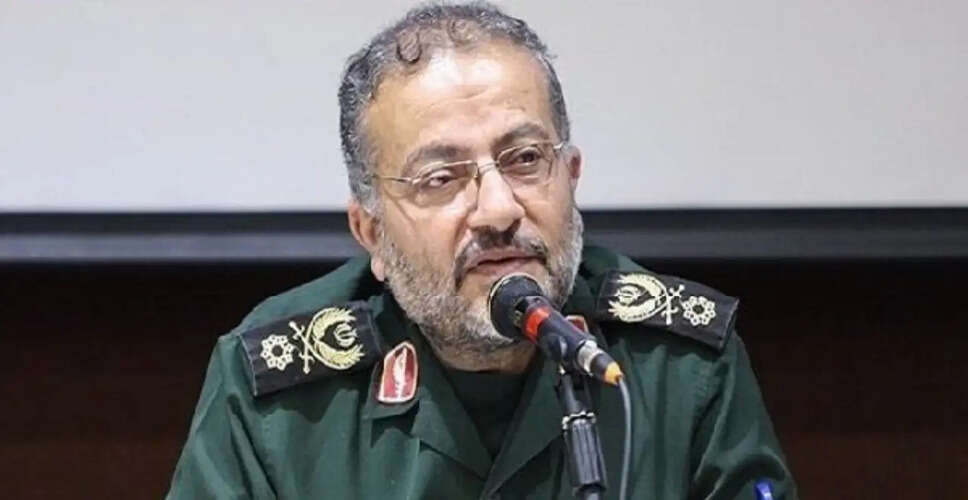
Iran's Revolutionary Guard Confirms Soleimani's Death
The Islamic Revolutionary Guard Corps of Iran has officially acknowledged the death of Gholamreza Soleimani, as reported by the judiciary-affiliated Mizan News Agency. Soleimani was one of two high-ranking security officials reportedly killed in Israeli airstrikes, representing a significant blow to Iran's leadership. Mizan stated on X (translated from Persian), "Sardar Gholamreza Soleimani, head of the Basij Mostazafin Organization, was martyred. The Islamic Revolutionary Guard Corps warns the malevolent and terrorist assassins of this esteemed martyr that the Basij forces will relentlessly pursue vengeance for our martyred leader and the various ranks of our martyrs." Meanwhile, Iranian state media has yet to verify the death of Ali Larijani, the secretary of Iran’s Supreme National Security Council, who is regarded as one of the nation’s most influential figures. Both officials were linked to Iran's response to protests that occurred in January.
Background on Gholamreza Soleimani
Who Was Gholamreza Soleimani?
Gholamreza Soleimani was the leader of the Basij, a hardline volunteer force comprising approximately 700,000 members that supports the Islamic Republic. The Basij, along with other security entities, has been accused by the United States and the European Union of playing a crucial role in the deaths of thousands of protesters during widespread anti-regime demonstrations. He assumed leadership of the paramilitary group in July 2019 and was instrumental in quelling unrest linked to Iran's economic difficulties. In October 2022, the United Kingdom imposed sanctions on him due to his involvement in suppressing protests against Iran's mandatory veil laws. Soleimani, who was in his early sixties, began his career within the Revolutionary Guards after enlisting during the Iran-Iraq war in the 1980s. A native of Farsan in western Iran and a history graduate from Isfahan, he held staunchly hardline views, particularly a strong opposition to Israel. It is important to note that he was not related to Qassem Soleimani, the senior Revolutionary Guards commander who was killed in a US drone strike in 2020.