
Iran Claims Near Agreement with US in Islamabad Talks
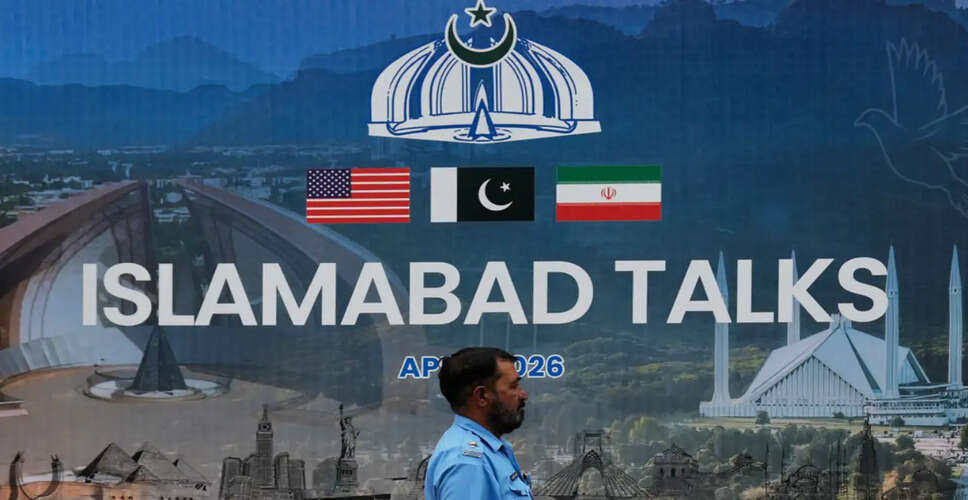

Iran's Foreign Minister Discusses Failed Negotiations
Seyed Abbas Araghchi, the Iranian Foreign Minister, has stated that a potential deal with the United States was very close during recent high-level discussions in Islamabad, but ultimately fell apart. In a post on social media, he expressed that Iran had participated earnestly in efforts to conclude the ongoing conflict, characterizing the talks as the most significant between the two nations in nearly fifty years. He remarked, “In intensive talks at highest level in 47 years, Iran engaged with US in good faith to end war.”
However, he criticized the US for hindering progress at a crucial juncture, stating, “But when just inches away from ‘Islamabad MoU’, we encountered maximalism, shifting goalposts, and blockade. Zero lessons earned.” He did not elaborate on the specific reasons for the breakdown of the negotiations.
These comments followed the conclusion of discussions in Pakistan, which ended without a resolution, raising concerns about the dynamics of the talks. Iranian officials have consistently asserted their readiness to negotiate a deal. Araghchi emphasized this point, stating, “Good will begets good will. Enmity begets enmity.”
Additionally, Iranian President Masoud Pezeshkian indicated that an agreement could still be achievable, urging the US to abandon its authoritarian stance and acknowledge Iran’s rights. He stated, “If the American government abandons its totalitarianism and respects the rights of the Iranian nation, ways to reach an agreement will certainly be found.”
Meanwhile, Mohammad Bagher Ghalibaf, the Speaker of the Iranian Parliament and head of the delegation in Islamabad, mentioned that while Iran had put forth progressive proposals, trust in the US was lacking. He remarked, “The opposing side ultimately failed to gain the trust of the Iranian delegation.”
On the US front, President Donald Trump noted that while many points were agreed upon, Iran was unwilling to compromise on the nuclear issue, which he identified as the primary obstacle. He subsequently announced that US forces would initiate a blockade on maritime traffic to and from Iranian ports. The United States Central Command confirmed that this blockade would commence on April 13, targeting all maritime traffic associated with Iranian ports while allowing vessels not destined for Iran to pass through the Strait of Hormuz.