
Iran Claims Closure of Strait of Hormuz Amid Rising Tensions
Iran's Bold Declaration on Strait of Hormuz
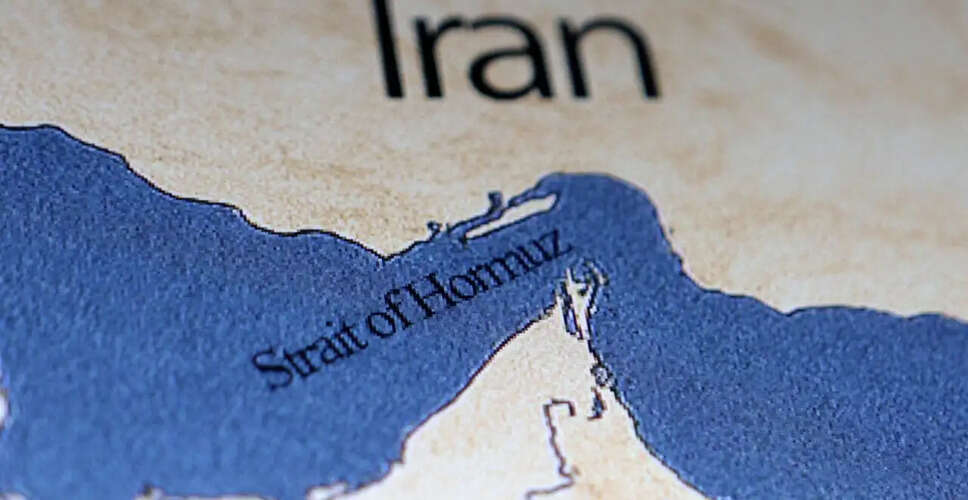
Iran has announced the closure of the Strait of Hormuz, with a senior official from the Revolutionary Guards issuing a stern warning that any foreign vessel attempting to navigate through this crucial oil passage will face severe consequences. Brigadier General Sardar Ebrahim Jabbari, an adviser to the commander of the IRGC, made this declaration following three days of military strikes by the US and Israel targeting Tehran. He stated, “The Strait of Hormuz is closed. Any ship that attempts to pass will be set ablaze by our brave forces in the IRGC Navy and the Army. We will not permit a single drop of oil to exit this region.” This strait, under Iranian control, is recognized as the most significant oil export route globally, with approximately 20% of the world's oil traversing this narrow channel. This action is anticipated to drive oil prices higher, especially as the global energy market is already facing challenges.
Recent satellite imagery has captured smoke rising from a vessel that exploded near the port of Bandar Abbas. On Monday, an Iranian oil tanker was reported to be on fire after being struck, while a fuel tanker allied with the US was allegedly ignited in the strait following a drone strike, as per reports from Iran’s Revolutionary Guards. Since the commencement of US strikes on Iran, vessels in the Strait of Hormuz have been targeted multiple times. This closure marks the second instance in recent weeks where Tehran has restricted access, having previously done so on February 18 during live-fire naval exercises conducted by the IRGC. Earlier this year, the Strait of Hormuz was also closed as Iran engaged in rare naval drills and issued warnings to US warships operating in the Persian Gulf.
Impact on Oil Prices Amid Escalating Conflict
Oil Prices Surge Amid US-Israel-Iran War
On Monday, oil prices surged due to concerns that escalating conflict with Iran could disrupt the global crude supply and exacerbate inflationary pressures. Crude oil prices increased by over 6%, raising fears of higher gasoline costs that could negatively impact American households and businesses reliant on fuel. The price of a barrel of benchmark U.S. crude rose by 6.3%, settling at $71.23, while Brent crude saw a 6.7% increase, reaching $77.74 per barrel. Additionally, natural gas prices remained high after a key supplier of liquefied natural gas to Europe announced a halt in production due to the ongoing war, which could lead to increased heating expenses for the remainder of the winter. Analysts have pointed out that previous conflicts in the Middle East have not led to prolonged market downturns, suggesting that oil prices would need to exceed $100 per barrel to significantly impact U.S. stock markets.