
Iran Assures India of Safe Passage Through Strait of Hormuz Amid Ongoing Tensions
Iran's Commitment to India's Interests
New Delhi: Iran has provided assurances to India regarding the protection of its interests in the Strait of Hormuz, despite the disruptions caused by the recent conflict involving Israel and the United States. The Iranian Embassy in India took to X to convey that Indian interests are secure, stating that their “Indian friends” need not be concerned, as they are “in safe hands.”
In a post shared on X, the Embassy of Iran in India reassured, “Our Indian friends are in safe hands, no worries.”
Our Indian friends are in safe hands, no worries 😉 https://t.co/5NqoSFlDPQ
— Iran in India (@Iran_in_India) April 1, 2026
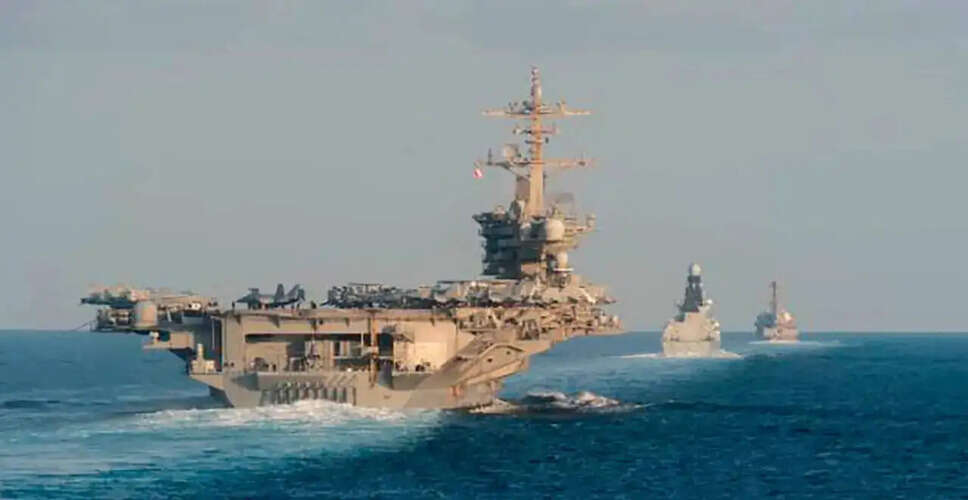
The Strait of Hormuz is a vital shipping lane, responsible for nearly 20% of the global energy supply, and has experienced restricted navigation since the conflict intensified on February 28. Iran, which has significant control over the strait, has permitted limited access, prioritizing what it refers to as “friendly nations,” including India, China, Russia, Iraq, and Pakistan.
Despite these reassurances, the partial blockade has had a considerable impact on energy shipments. Eight Indian vessels have successfully navigated through the strait, including LPG carriers BW TYR and BW ELM, which transported a total of 94,000 tonnes. However, numerous shipments remain stranded. Officials report that at least 19 vessels carrying LPG, crude oil, and LNG destined for India are currently stuck in the area. Among these, 10 are foreign-flagged, comprising three LPG carriers, four crude oil tankers, and three LNG vessels. Additionally, Indian-flagged ships are also affected, including three LPG tankers, one LNG carrier, and four crude oil tankers, along with an empty tanker being loaded with LPG. In total, nearly 500 ships are impacted in this strategically significant waterway amid the ongoing tensions.