
Iran Asserts Control Over Strait of Hormuz Amid Rising Tensions

Iran's Stance on the Strait of Hormuz
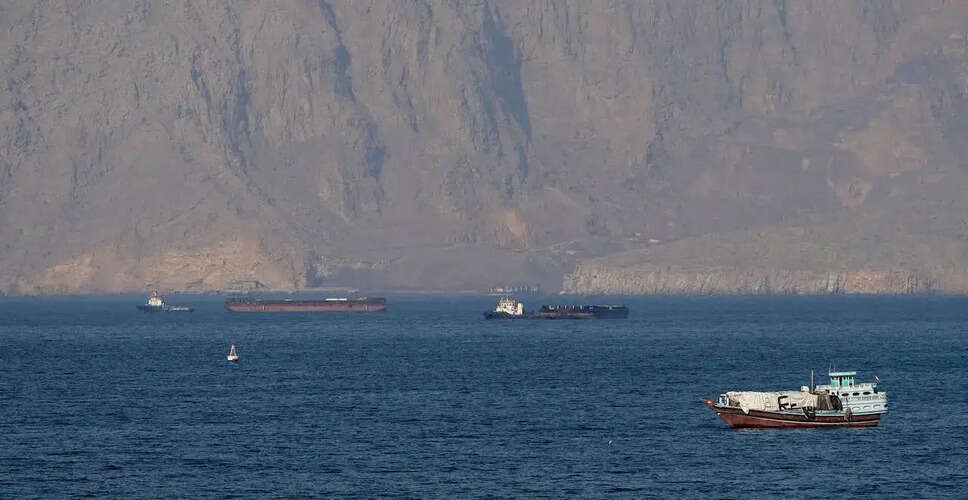
On Tuesday, Iran firmly stated that the Strait of Hormuz will not be opened due to US aggression, as both nations vie for dominance in this crucial maritime route in the Gulf. Tensions have escalated significantly since last week when former President Donald Trump announced the end of the interim ceasefire linked to the Memorandum of Understanding (MoU). According to reports from Al Jazeera, Brigadier General Mohammad Akraminia, spokesperson for the Iranian army, emphasized that the armed forces will not back down regarding this vital waterway. He remarked, "War, evil, and American aggression" are the challenges faced, as cited by the Tasnim news agency. He further asserted that respecting the rights of the Iranian populace is essential for the Strait's accessibility, stating, "We are obligated to avenge the blood of the martyrs, especially the martyred leader of the Islamic Revolution,” Akraminia added.
European Airlines Advised Against Gulf Airspace Operations
In a related development, the European Aviation Safety Agency (EASA) issued a warning on Monday, advising airlines to refrain from flying in the airspace over Bahrain, Kuwait, Qatar, the UAE, and the Gulf of Oman. This advisory comes amid escalating missile and drone attacks involving the US and Iran, which have intensified recently. The EASA's advisory highlights that "unpredictable military developments, along with the potential use of missiles, drones, combat aircraft, and air-defense systems, pose a significant risk to civil aviation at all altitudes and flight levels within the affected airspace."