
Iran Asserts Control Over Strait of Hormuz Amid Rising Tensions
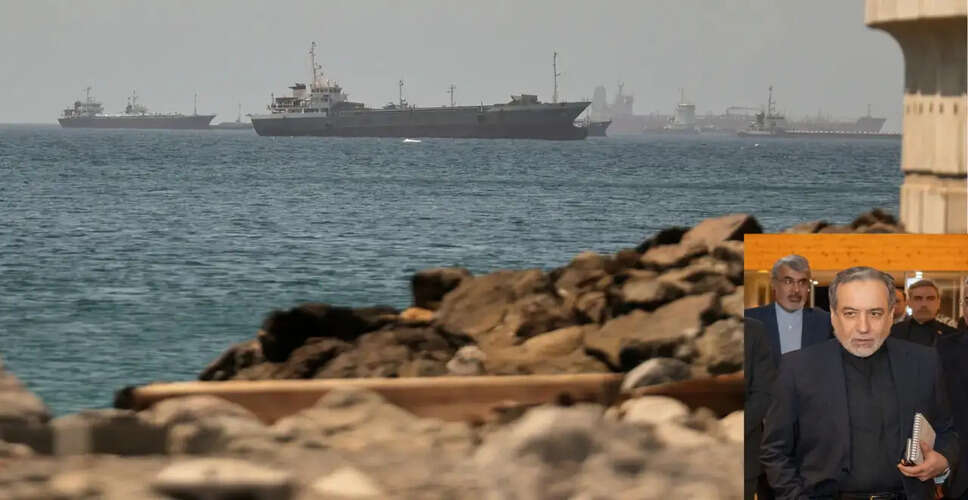

Iran's Firm Stance on the Strait of Hormuz
During his recent trip to Iraq, Iran's Foreign Minister Abbas Araghchi declared that the strategic Strait of Hormuz will remain entirely under Iranian control for the next month. He cautioned that any challenges to this control could escalate tensions. Araghchi stated, "The Strait of Hormuz is fully managed by Iran for the next 30 days, and we are working to restore its full capacity once all obstacles are cleared. This is our responsibility as the Islamic Republic of Iran, and no other entity holds this role."
He further emphasized that any interference or attempts to create separate arrangements outside of Iran's current management would only complicate matters, delay the reopening of the Strait, and heighten tensions. Recent incidents in the Strait have already contributed to increased confrontations, as noted by Araghchi during his remarks in Baghdad.
The ongoing discussions between the United States and Iran revolve around an interim peace agreement signed earlier this month, which includes critical issues such as the passage of ships through the Persian Gulf, the lifting of US blockades and sanctions, and the future of Iran's enriched uranium stockpile. Under the terms of this memorandum, both nations have a 60-day window to finalize the details.
The Strait of Hormuz serves as a vital link between the Persian Gulf and the Gulf of Oman, with approximately one-fifth of the world's oil traversing this narrow passage before the onset of the US-Israel-Iran conflict on February 28. Since the outbreak of war, numerous vessels, including oil tankers, have faced blockades. Although some have begun to navigate through the Strait following the peace agreement, tensions between Washington and Tehran are once again on the rise.