
Iran and US Negotiations Reach Critical Stage Amid Pakistani Mediation

Iran Claims Progress in US Negotiations
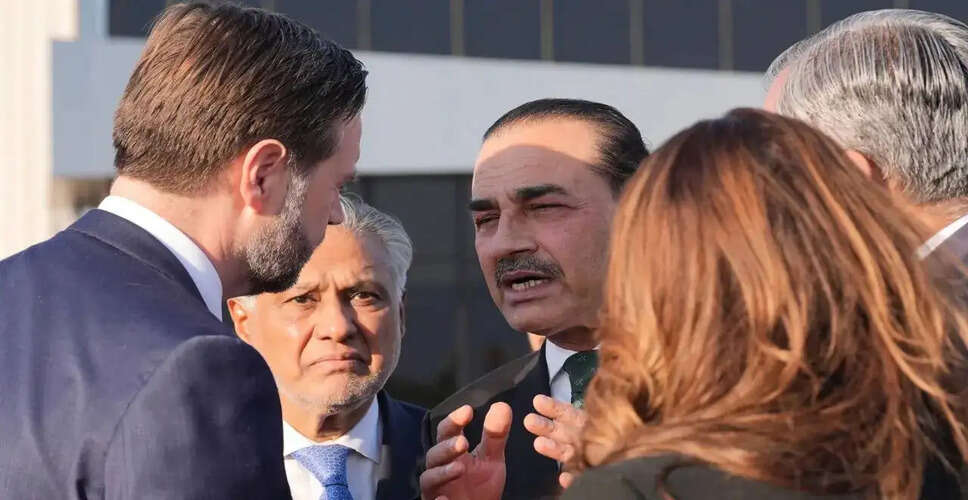
Officials from Iran have suggested that discussions aimed at resolving the ongoing conflict may have reached a pivotal moment. Tehran has announced that a memorandum of understanding, facilitated by Pakistan, has been finalized and is now under consideration by the United States. An Iranian representative, speaking to a news outlet, indicated that this proposed framework tackles several key issues that have led to months of tension, such as ceasing hostilities, lifting blockades, reopening the Strait of Hormuz, and the withdrawal of US troops from the area. Iran has characterized this document as the utmost compromise it is willing to make and is now awaiting a response from Washington. This proposal follows weeks of active diplomacy involving Pakistani intermediaries, with Field Marshal Asim Munir attempting to reconcile differences between Tehran and Washington, even as Pakistan faces its own security challenges. Initially, Iranian officials expected Munir to announce the memorandum during a visit to Tehran, but he opted to engage directly with American officials first.
Nuclear Issues Excluded from Initial Agreement
Nuclear Dispute Left Outside Initial Framework
A significant aspect of the proposed memorandum is the exclusion of the nuclear issue, which remains central to the broader conflict between Iran and the US. Iranian officials have stated that nuclear discussions were deliberately left out due to their complexity and the considerable gaps that still exist between both parties. Instead, Tehran has suggested a phased approach, where broader security and regional matters would be addressed first, potentially setting the stage for dedicated nuclear negotiations after about 30 days of successful implementation. The official quoted emphasized that Iran cannot offer concessions beyond what is already included in the memorandum. This stance aligns with Tehran's long-held view that sanctions relief, regional security arrangements, and maritime access must be tackled alongside any future discussions regarding uranium enrichment and nuclear limitations.
Challenges Persist Despite Optimism
Tehran Signals Progress But Warns Challenges Remain
Esmaeil Baqaei, spokesperson for the Iranian Foreign Ministry and a member of the negotiation team, provided a cautiously optimistic view of the ongoing diplomatic efforts, stating that Tehran feels both "very far and very close" to reaching an agreement with the US. Baqaei highlighted that ending the conflict is Iran's top priority and acknowledged that Pakistani mediation has played a role in bridging gaps on several contentious issues. However, he cautioned that mixed signals from Washington continue to hinder the path to a final agreement. The evolution of the reported memorandum into a comprehensive settlement may hinge on Washington's forthcoming response and whether both parties are willing to transition from immediate security concerns to the more complex negotiations surrounding Iran's nuclear program.