
Iran and US Discuss New Ceasefire Agreement Amid Ongoing Tensions

Overview of the Proposed Agreement
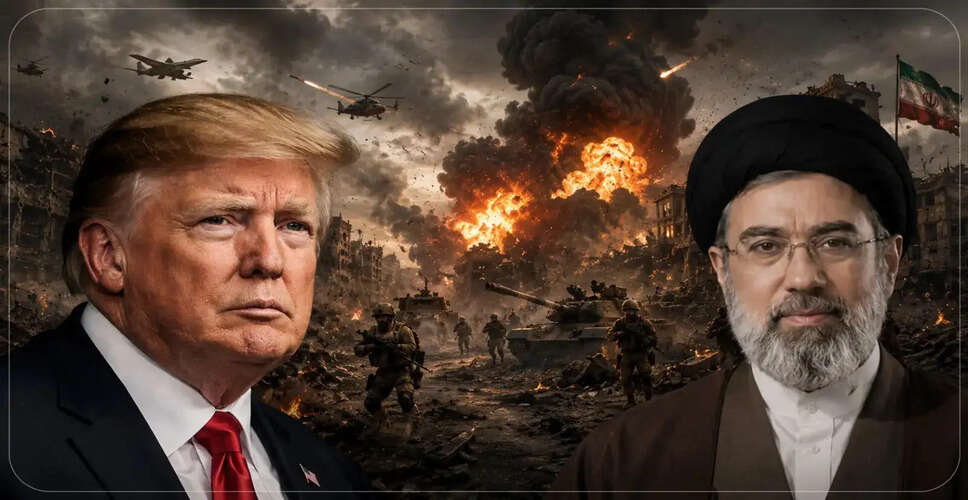
Tehran: Following the announcement by US President Donald Trump regarding the cancellation of planned military strikes on Iran, Iranian media outlets have disclosed a '14-point draft memorandum of understanding' purportedly between Tehran and Washington. This draft, released by Iran's Mehr News, reportedly differs from earlier provisions reported by other sources.
According to Mehr, the draft is pending final review and approval from Iranian authorities. Earlier reports suggested that the proposal included a 60-day extension of the existing ceasefire, which would also apply to Lebanon, while discussions on nuclear matters were ongoing. However, the draft from Mehr advocates for an immediate and enduring cessation of hostilities across all fronts, including Lebanon, followed by a 60-day negotiation period aimed at achieving a comprehensive nuclear agreement.
Key Points of the Draft Memorandum:
- Immediate and permanent ceasefire on all fronts, including Lebanon.
- The US must refrain from interfering in Iran’s internal matters and respect its sovereignty, including withdrawing forces from areas near Iran.
- Complete lifting of the naval blockade within 30 days.
- Reopening of the Strait of Hormuz within 30 days under Iranian management.
- Suspension of sanctions on Iranian oil, petrochemicals, and related exports, allowing full access to the resulting revenues.
- The US and its allies are to provide reconstruction plans for Iran valued at a minimum of $300 billion.
- A 60-day negotiation period to finalize agreements on nuclear issues and the complete removal of US primary and secondary sanctions, along with related UN Security Council and IAEA measures.
- Iran reaffirms its commitment to the NPT and will not pursue nuclear weapons.
- During negotiations, the US will not deploy additional forces to the region or impose new sanctions.
- Release of $24 billion in frozen Iranian assets during the 60-day negotiation period, with half available before talks commence.
- Establishment of a monitoring mechanism to ensure compliance with the agreement.
- The final agreement will be validated by a UN Security Council resolution.
- Final negotiations will only start after the release of half of Iran’s frozen assets, suspension of oil sanctions, and lifting of the naval blockade.
- The final deal will focus exclusively on uranium enrichment, enriched materials, sanctions relief, and Iran’s economic reconstruction, while excluding discussions on Iran’s missile program and support for resistance groups.
In related developments, Trump indicated on Thursday that an agreement between the US and Iran could be reached over the weekend, potentially paving the way to conclude the ongoing conflict that has persisted for three months. According to Trump, Vice President JD Vance is expected to sign the agreement. Despite Trump's repeated claims of being close to a deal in recent weeks, no tangible outcomes have emerged. A spokesperson for Iran's Foreign Ministry remarked that while mediators are engaged, no final agreement has been established to resolve the conflict.