
Iran and Oman Discuss Permanent Toll System for Strait of Hormuz
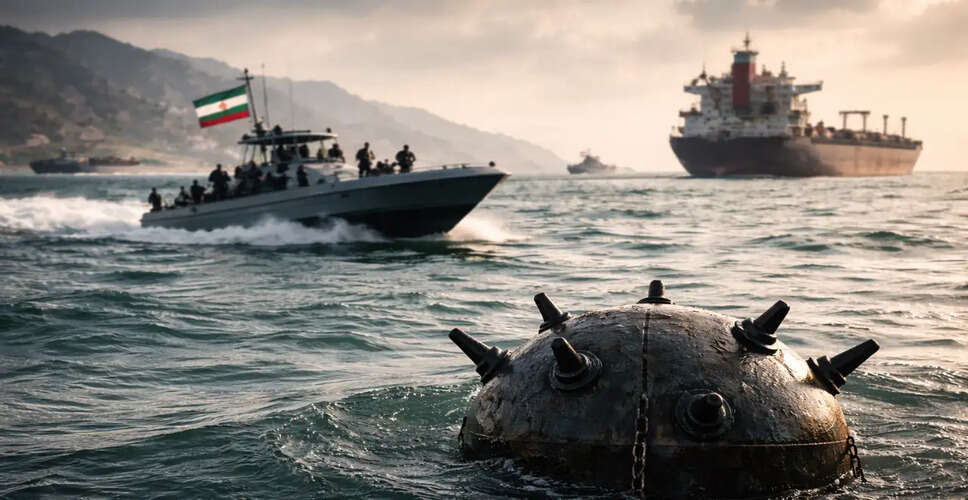

Negotiations for Toll Charges in the Strait of Hormuz
Iran is currently engaged in discussions with Oman to establish a permanent toll mechanism for vessels, cargo, and ships navigating the crucial Strait of Hormuz, which is vital for energy and goods transportation in the Middle East. This strategic waterway has become a significant leverage point for Iran, serving as a non-military tool to exert pressure on the United States amid ongoing conflicts in the region that have persisted for nearly three months.
During this period, Iran had previously blocked access to the Strait of Hormuz, temporarily halting global energy trade and causing fluctuations in crude oil and gas prices worldwide. The repercussions were particularly severe for Asian and European nations, which faced disruptions in energy supplies, leading to increased prices and shortages. Iran has issued stern warnings that any unauthorized passage through the Strait would be met with military action.
In light of the ongoing conflict, Iran has initiated plans to impose tolls on vessels utilizing the Strait for energy trade, a move that has drawn criticism, especially from the United States, which has urged Iran to keep the passage open or face consequences. Meanwhile, as back-channel negotiations between the US and Iran continue, Iran's ambassador to France, Mohammad Amin-Nejad, emphasized the need for both Iran and Oman to collaborate on security services and navigation management. He stated that this initiative would incur costs, and those benefiting from the traffic should contribute accordingly.
Nejad assured that the toll system would be transparent and highlighted the necessity of addressing the underlying issues if there is a genuine desire for improvement in the situation. However, Oman has yet to respond to inquiries regarding its discussions with Iran about the proposed permanent toll system.