
Intensifying Debate on US Immigration and Temporary Protected Status

US Immigration Debate Heats Up
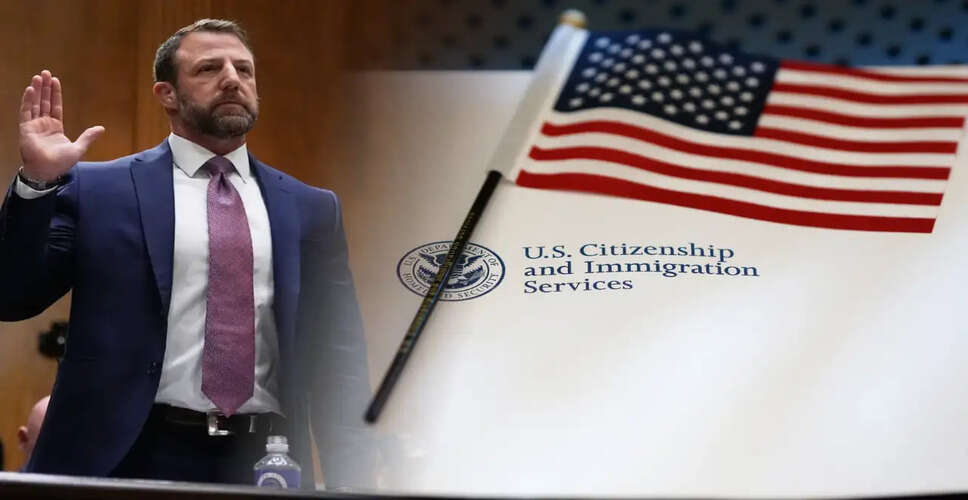
The discussion surrounding immigration in the United States has become more heated following comments from Republican Senator Markwayne Mullin. He stated that individuals under Temporary Protected Status (TPS) should either secure permanent legal residency or prepare to leave the country. During an appearance on CNN's State of the Union, Mullin emphasized that TPS was never designed to serve as a long-term immigration solution. His statements came shortly after the US Supreme Court permitted the Trump administration to advance its plans to revoke humanitarian protections for a significant number of migrants, which could lead to deportation for many. This ruling marks a pivotal moment in the legal landscape affecting the TPS program and has reignited political tensions regarding immigration enforcement under President Trump.
Mullin's Stance on TPS
In the interview, Mullin asserted that those benefiting from TPS should pursue existing immigration options if they wish to stay in the US permanently. He stated, "Either try to fill out the paperwork and be here underneath a permanent status or we'll help you get back to your country." He also mentioned that the government could assist with voluntary departures by providing financial aid, including a plane ticket and approximately $2,100 to help with re-establishment in their home country. Mullin's remarks followed the Supreme Court's divided ruling that allows the administration to revoke TPS protections while broader legal disputes are ongoing.
Understanding Temporary Protected Status
Temporary Protected Status is a humanitarian initiative established by Congress, allowing nationals from specific countries to legally reside and work in the US when returning home is deemed unsafe due to war, armed conflict, natural disasters, or other extraordinary circumstances. Although it was meant to be a temporary solution, many designations have been extended multiple times. For instance, TPS was first granted to Haiti after the catastrophic earthquake in 2010, and Syrian nationals became eligible following the civil war that erupted in 2012. Despite these protections, the US State Department continues to advise against travel to both nations due to ongoing violence and instability.
Recent estimates suggest that the latest court ruling could impact around 350,000 Haitians and approximately 6,000 Syrians, many of whom have been living and working in the US for years. Overall, the TPS program currently encompasses nearly 1.7 million individuals from 17 different countries.
Political Reactions to the Supreme Court's Decision
The Supreme Court's ruling has elicited strong responses from various political factions. Proponents of the decision argue that TPS should remain a temporary measure and that existing immigration laws already provide pathways for eligible individuals to seek permanent residency. Conversely, immigration advocates caution that terminating TPS protections could lead to family separations, disrupt local economies, and expose long-term residents to detention or deportation by Immigration and Customs Enforcement (ICE). Some Republicans have also expressed their concerns.
Ohio Governor Mike DeWine highlighted the ongoing dangers in Haiti and warned that the removal of thousands of Haitian workers could exacerbate labor shortages in critical sectors like healthcare. He stated, "It's Haitians who many times are taking care of your mom or your dad who has Alzheimer's, taking care of family members who might be in a nursing home. And to say we're going to pull all those out, it's just not in our own self-interest." Communities with significant Haitian populations, such as Springfield, Ohio, have voiced their worries about the uncertainty stemming from the court's decision, with many residents anxious about losing their legal status after years of residing and working in the US. The Trump administration has maintained that immigration protections should adhere to existing statutory limits, and legal challenges regarding the future of the TPS program are anticipated to persist.