
Intensifying Conflict: U.S. Military Operations Against Iran Escalate
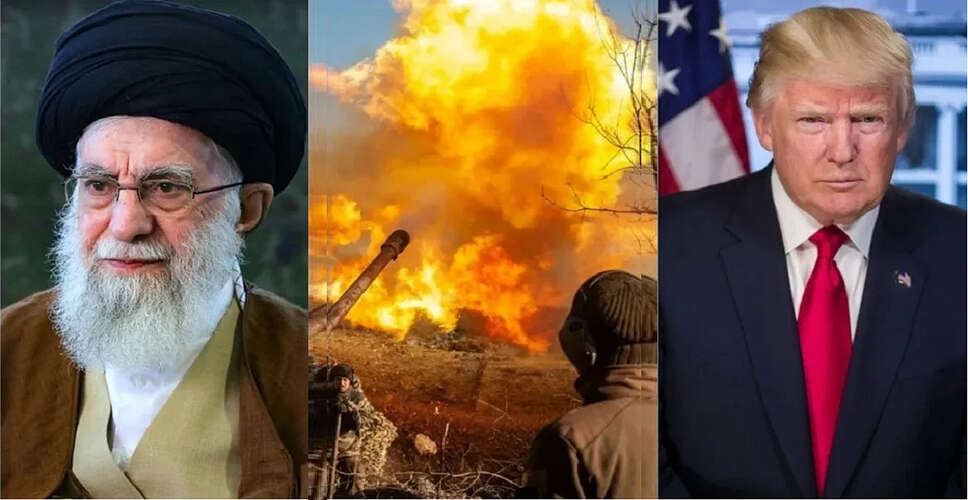
Escalation of Military Actions in the Middle East
On March 7, 2026, the conflict in the Middle East has intensified significantly. The U.S. military has ramped up its operations against Iran under the banner of Operation Epic Fury. According to the U.S. Central Command (CENTCOM), over 3,000 Iranian targets have been struck within the first week of the operation, including command centers, headquarters of the Islamic Revolutionary Guard Corps (IRGC), ballistic missile sites, air defense systems, and military communication networks.
U.S. officials report that Iran's naval capabilities have been severely compromised, with 43 Iranian vessels either damaged or destroyed, including drone carriers and various warships. Admiral Brad Cooper, the CENTCOM commander, stated, “Our forces have nearly obliterated Iran's navy and reduced missile attacks by up to 90%. The next phase is to completely dismantle Iran's missile production capabilities.”
President Donald Trump has unequivocally demanded “unconditional surrender” from Iran, asserting, “Iran's air force and navy are now decimated. We will never allow their nuclear ambitions to materialize.” The White House has indicated that this military campaign could last between four to six weeks, with the U.S. possessing ample weapons and resources.
In retaliation, Iran has launched missile and drone strikes against U.S. and allied positions, resulting in casualties among American troops. Iranian Foreign Minister Abbas Araghchi remarked, “We are anticipating a ground invasion and will deliver a significant blow.” Iran has also sought intelligence support from Russia.
Meanwhile, reports of large explosions and fires in Tehran have emerged, with U.S.-Israeli joint strikes shaking the Iranian capital. An attack on a school resulted in the deaths of numerous children, with blame directed at U.S. munitions.
Operation Epic Fury commenced on February 28, 2026, aiming to dismantle Iran's nuclear program, missile capabilities, navy, and proxy networks. Experts believe that this conflict has now escalated to a regional level, involving Lebanon, Gulf nations, and other areas.
Fuel prices are soaring, impacting the global economy. The world watches closely—will Iran capitulate, or will the conflict prolong?