
Intensifying Conflict: US and Israel's Offensive Against Iran
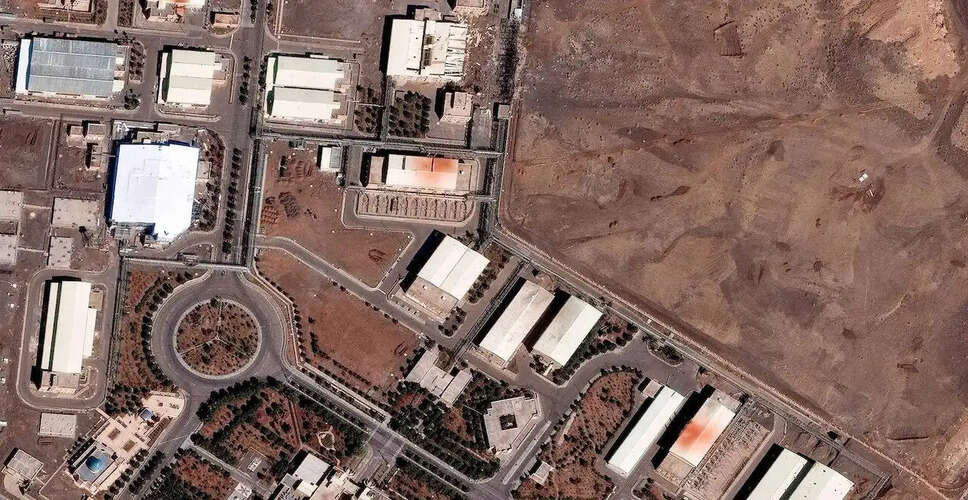
Escalation of Hostilities
The United States and Israel have launched a comprehensive offensive aimed at dismantling what they label as a terrorist regime in Iran. Their objectives include crippling Iran's nuclear ambitions and diminishing its military capabilities to ensure it poses no threat, particularly to Israel and Jewish communities. This extensive military campaign also seeks to eliminate Iranian influence in the Middle East, including the Gaza Strip, which is seen as a hub for terror proxies.
Over the past week, the US and Israel have conducted significant airstrikes in Iran, resulting in the death of its Supreme Leader along with several high-ranking officials and family members. In response, Iran has retaliated by targeting nations with US military bases or close ties to the US, including the UAE, Kuwait, Jordan, Oman, and Bahrain. Iran's ballistic missiles and drones have inflicted considerable damage on these countries, as direct strikes on Israel are complicated by the distance and Israel's advanced air defense systems.
As the US and Israel tighten their grip around Iran, geopolitical analysts express concern over the possibility of Iran possessing a secret dirty bomb. US President Donald Trump, discussing Operation Epic Fury, indicated that he believed Iran might initiate an attack, which he aimed to prevent. He noted that the initial strike resulted in 49 casualties, with subsequent attacks targeting Iran's new leadership.
IAEA's Concerns Over Iran's Nuclear Program
What Global Nuclear Watchdog IAEA Said About Iran’s Nuclear Program
Iran has faced accusations of pursuing nuclear weapons, despite its claims that its nuclear program is solely for peaceful energy purposes. Recent statements from the International Atomic Energy Agency (IAEA) have raised alarms, as Iran has reportedly restricted access to its nuclear sites, leading to suspicions of undisclosed activities. While Iran may not yet possess a nuclear weapon, the potential for a dirty bomb raises serious concerns about its intentions.
Understanding the Dirty Bomb
What Is a Dirty Bomb?
A dirty bomb, unlike a nuclear bomb, combines conventional explosives with radioactive materials. Known as a radiological dispersal device (RDD), its purpose is to spread radioactive dust and smoke over a designated area, instilling panic and causing economic disruption. While it lacks the destructive power of a nuclear weapon, the health risks associated with exposure to radioactive materials can lead to severe consequences, including cancer.
Speculations on Iran's Capabilities
Does Iran Really Have a Dirty Bomb?
While there is no definitive evidence that Iran possesses a dirty bomb, discussions among experts suggest that the possibility exists. If pushed into a corner, Iran might resort to using such a weapon as a last resort.
Iran's Retaliatory Actions
How Iran Is Retaliating in This War
In response to the joint US-Israel attacks, Iran has targeted cities in Dubai, Saudi Arabia, Kuwait, Bahrain, and Oman, all of which host US military bases or maintain strong ties with the US. Notably, Iran has even struck Oman, a nation that previously facilitated diplomatic discussions between Tehran and Washington. Analysts warn that if Iran continues to retaliate against nations allied with the US, it may resort to the extreme measure of deploying a dirty bomb, reinforcing Trump's assertion that Iran cannot be allowed to develop nuclear weapons.
The Future of Iran's Leadership
Khamenei Is Dead But What’s Next?
With the confirmed death of Khamenei, the future of Iran's leadership remains uncertain. Analysts speculate that Iran may have already established a succession plan, given Khamenei's advanced age and the existence of potential successors. While Khamenei maintained control over Iranian security forces, the absence of a strong leader could lead to erratic behavior from Iran's new leadership. Trump has expressed hope that the next leader will prioritize progress for the Iranian people, cautioning against the risk of appointing someone equally detrimental.