
Intense Backchannel Diplomacy Between Iran and the US Revealed
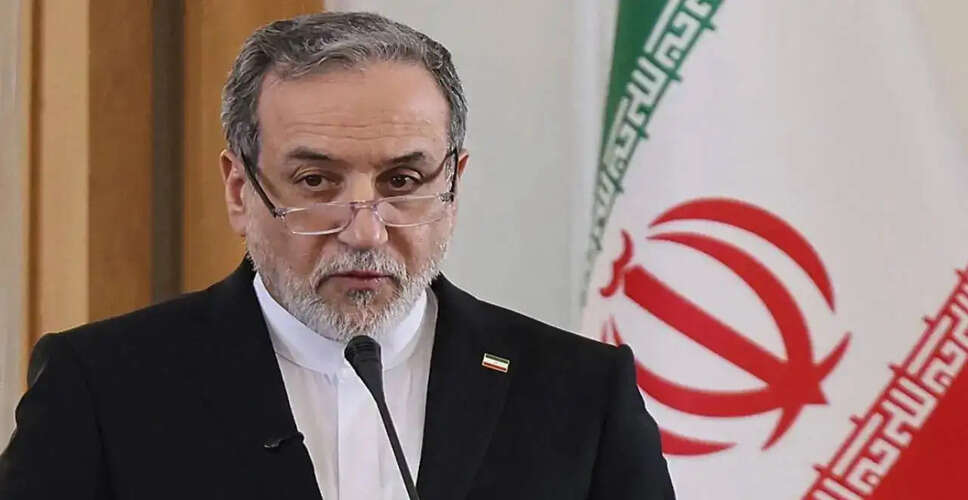

Iran's Foreign Minister Discusses Diplomatic Tensions
Abbas Araghchi, Iran's Foreign Minister, has shed light on the depth of secretive negotiations with the United States. In a recent interview with local media, he recounted a candid moment with US envoy Steve Witkoff, questioning whether Witkoff had ever engaged in discussions under the constant threat of bombing. Araghchi asked, "Have you ever participated in a meeting where you feared it could be bombed at any moment? Have you ever been on a call, worried it might be your last?" He emphasized that Iran approached these talks despite the inherent dangers, firmly stating that they would not be swayed by external pressures. "We maintained our stance," he declared, asserting that both threats and incentives had failed to influence Iran's position, especially regarding its nuclear ambitions.
In an interview with Mehr News, which was also broadcast by a Russian news outlet, Araghchi asserted that Iran's uranium enrichment program is "not for sale," attributing it to two decades of sanctions and sacrifices. He firmly stated, "No bribes, no threats," and added, "This isn’t Venezuela." Both Araghchi and Witkoff have been engaged in negotiations since the onset of the US-Israel-Iran conflict on February 28.
Escalating US-Iran Hostilities Amid Failed Negotiations
US-Iran Tensions Escalate, Strikes Continue Across West Asia
The US military has conducted airstrikes targeting Iran's Revolutionary Guard, escalating the ongoing conflict as efforts for a ceasefire have faltered. These strikes were a response to the deaths of American soldiers in Jordan. US CENTCOM reported that the strikes targeted Iranian military coastal surveillance, air defense systems, and missile storage facilities, aiming to diminish Iran's control over the Strait of Hormuz and to swiftly retaliate against the Islamic Revolutionary Guard Corps.
In recent days, the US has also targeted various infrastructures in Iran, including bridges and electrical facilities, while Iran has retaliated by attacking power and desalination plants in Kuwait, threatening the daily lives of its residents. Iran has increased its threats of further strikes, prompting warnings from the United Arab Emirates.