
India's Firm Stance on Pakistan Relations and Indus Water Treaty
India's Ministry of External Affairs has reiterated its clear stance on relations with Pakistan, emphasizing that terrorism and dialogue cannot coexist. The Indus Water Treaty, signed in 1960, is under scrutiny as India suspends it in response to Pakistan's support for terrorism. This treaty allocates water from the Indus river system, crucial for Pakistan's agriculture and power projects. The article delves into the historical context of the treaty and the current geopolitical implications, raising questions about future negotiations and regional stability.
| May 29, 2025, 17:51 IST
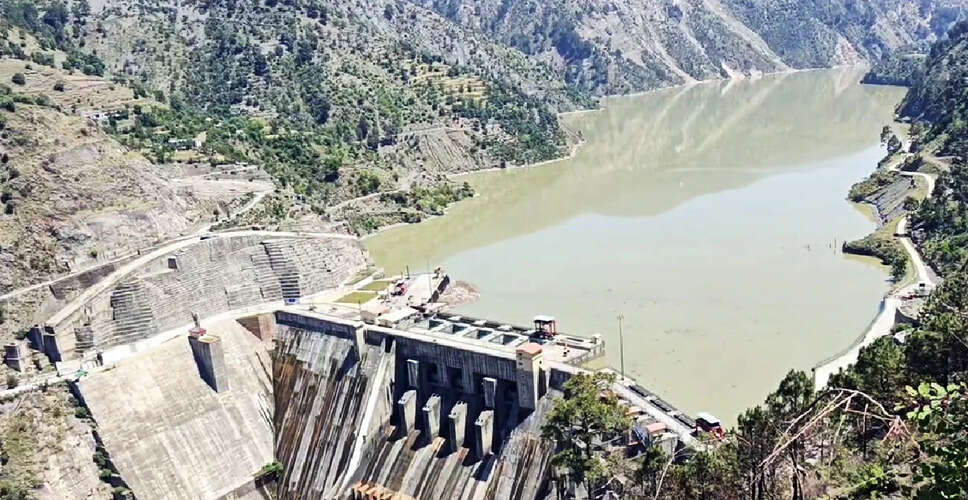
India's Clear Position on Pakistan Relations
According to spokesperson Randhir Jaiswal from the Ministry of External Affairs, India's position regarding its relationship with Pakistan is unequivocal. Any diplomatic ties must be bilateral. He reiterated that terrorism and dialogue cannot coexist. Pakistan is required to hand over the notorious terrorists whose records and lists were provided to them a few years ago. Discussions about Jammu and Kashmir will only take place once Pakistan vacates the region and returns it to India. Regarding the Indus Water Treaty, it will remain suspended until Pakistan renounces its support for cross-border terrorism in a credible and irreversible manner. As Prime Minister Narendra Modi has stated, terrorism and dialogue cannot go hand in hand, nor can terrorism and trade, and water and blood cannot flow together.
Background on the Indus Water Treaty
The Indus Water Treaty (IWT) was signed on September 19, 1960, between India and Pakistan. This agreement encompasses three eastern rivers (Ravi, Beas, and Sutlej along with their tributaries) and three western rivers (Indus, Jhelum, and Chenab along with their tributaries). Under this treaty, India controls approximately 20% of the total water from the Indus system, while Pakistan has been allocated around 80%. On April 23, the Ministry of External Affairs announced several stringent measures in response, including the immediate suspension of the Indus Water Treaty.
Historical Context of the Treaty
In fact, the Indus Water Treaty was established in 1960 with the involvement of the World Bank. Under this agreement, Pakistan was granted water from three of the six basin rivers: Indus, Jhelum, and Chenab, while India received water from Ravi, Beas, and Sutlej. However, following the Pulwama attack, India decided to take decisive action against Pakistan, starting with the suspension of the Indus Water Treaty. Approximately 80% of Pakistan's agriculture and 30% of its power projects rely on the Indus waters. The cessation of water supply would severely impact Pakistan's economy.