
Indian-Origin Judge in Texas Convicted of Money Laundering
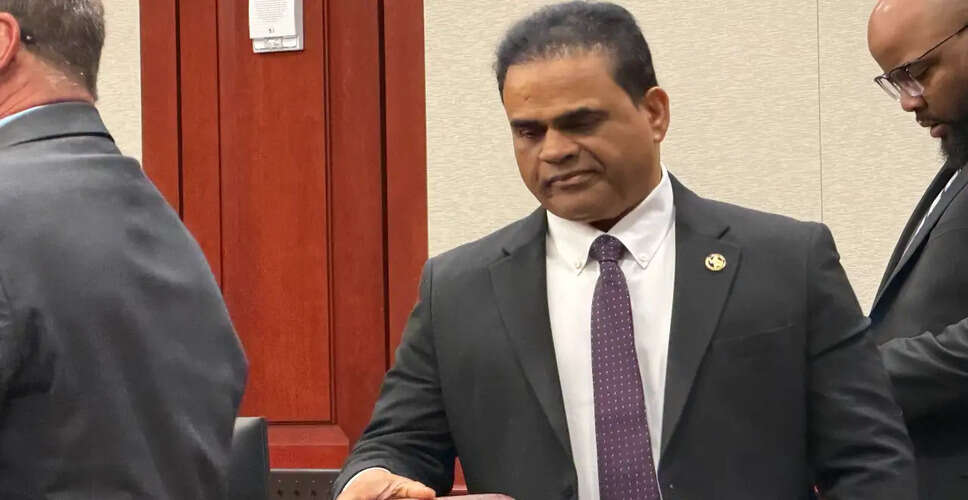
Texas Judge Found Guilty of Money Laundering
Texas: A judge of Indian descent in Texas has been convicted on two counts of money laundering. According to reports from a local news outlet, KP George was found guilty of third-degree felony charges and may face up to a decade in prison. Despite the conviction, he will retain his position following sentencing.
Details of the Charges Against KP George
George was accused of diverting more than $46,000 from his campaign funds into his personal bank account. His legal team contended that this amount was merely a repayment of loans. However, the Assistant District Attorney, Katherine Peterson, stated that George had consistently misrepresented his campaign finances and misused the funds for personal expenses.
Investigations revealed financial transactions that extended across several states, including connections to accounts in Delaware and communications related to Massachusetts.
Defense Arguments from George’s Attorneys
The court determined that the campaign funds were indeed transferred to personal accounts and utilized for expenses such as car payments. George's defense team argued that the case was built on incomplete records and erroneous assumptions, asserting that there was no proof of illegal fund usage. They characterized the prosecution as an instance of "government overreach," emphasizing that candidates are permitted to finance their campaigns and later seek reimbursements. Furthermore, they claimed that crucial details were overlooked by investigators, and prior campaign financial records were not thoroughly reviewed.
Release Conditions Following Conviction
Following his sentencing, George was taken into custody but was released after posting a $20,000 bond. He was also required to surrender his U.S. passport. Notably, George holds the distinction of being the first Indian-origin judge in Fort Bend.