
India Clarifies Stance on Naval Deployment in Strait of Hormuz Amid West Asia Tensions
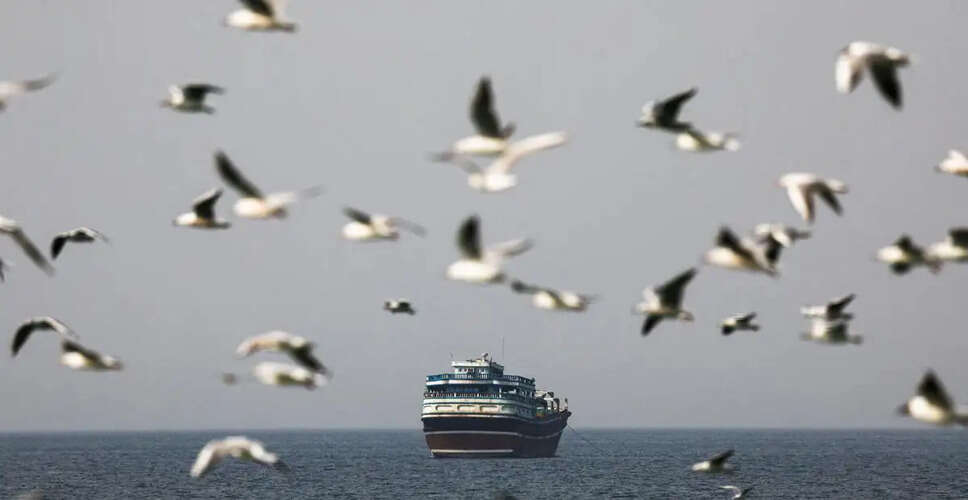
India's Position on Naval Forces Deployment
On Monday, the Indian government confirmed that it has not engaged in bilateral talks with the United States regarding the potential deployment of naval forces to secure the Strait of Hormuz for merchant vessels, amidst ongoing tensions in West Asia.
During a media briefing, Randhir Jaiswal, spokesperson for the Ministry of External Affairs, addressed inquiries about U.S. President Donald Trump's call for nations such as China, France, Japan, South Korea, and the United Kingdom to send warships to maintain safety in this crucial maritime route.
Jaiswal stated, “We are aware of discussions on this issue among various countries, but we have not yet had any bilateral discussions on the matter.”
External Affairs Minister S. Jaishankar mentioned in an interview with the Financial Times that India’s direct negotiations with Iran have produced some positive outcomes, allowing Indian vessels to navigate through the Strait of Hormuz, although no comprehensive agreement with Tehran exists for their passage.
He remarked, “From India’s viewpoint, it is preferable to reason, coordinate, and find solutions rather than not engaging at all… If this facilitates other nations' involvement, it benefits the global community.”
Since the conflict escalated on February 28, Iran has effectively restricted access to the Strait of Hormuz for many international commercial ships. This waterway is vital, as it accounts for approximately 20% of the world's petroleum supply.
The International Energy Agency reported on Thursday that the ongoing fighting has led to the “largest supply disruption” in the history of the global oil market.
As a result of the conflict, global oil prices have surged, with the benchmark Brent crude oil price surpassing $100 per barrel, up from about $72.8 per barrel on February 27, just before the hostilities began.