
Impact of Iran Conflict on Global Air Travel: Flight Disruptions and Safety Measures
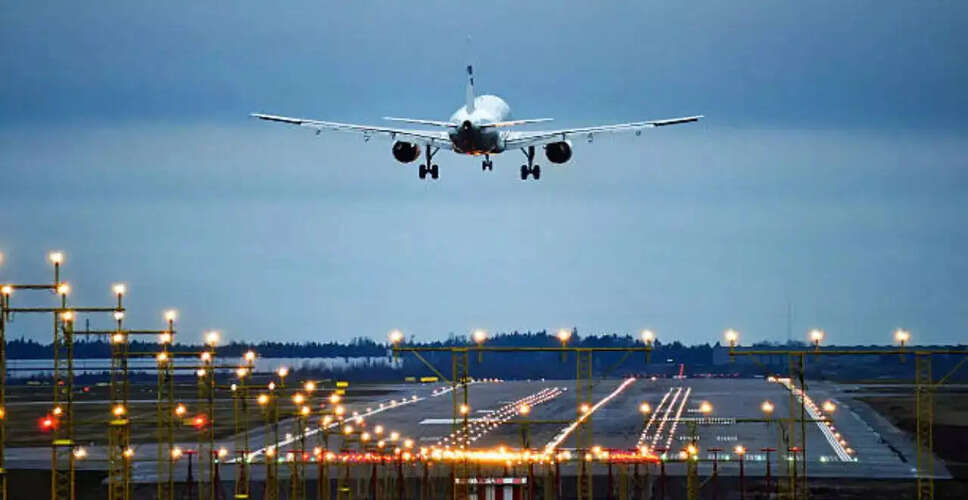
Global Air Travel Affected by Iran Conflict
The ongoing conflict in Iran, which escalated following coordinated strikes by the United States and Israel on February 28, has significantly impacted international air travel. Airlines are suspending flights, rerouting planes, and modifying schedules as vast sections of Middle Eastern airspace remain either restricted or completely closed. Travelers heading to or from the Gulf region are experiencing delays, cancellations, and extended flight times as airlines navigate around conflict zones.
Stay updated on the latest developments regarding flight cancellations, diversions, airline advisories, and airport operations as of March 17 amidst the intensifying situation in Iran.
Airline Safety Assessments Urged by Pilots' Association
The Air Line Pilots Association (ALPA) India has urged its members to ensure that airline operators conduct thorough operational risk assessments before scheduling flights in or near conflict zones. In a recent advisory, the association emphasized that pilots must remain vigilant, as the risk landscape in these areas can shift rapidly and without prior notice. Additionally, pilots are advised to consider the potential effects on aviation insurance, particularly concerning war-risk clauses, as insurers may limit or withdraw coverage for flights in designated high-risk airspaces.
UAE Airspace Temporarily Closed
A drone attack in the United Arab Emirates led to a fire at an oil tank facility in Fujairah, an emirate located on the east coast near the Gulf of Oman, which has faced multiple attacks. Fortunately, there were no reported injuries from the incident. This event prompted a brief closure of the UAE's airspace as military forces responded to missile and drone threats originating from Iran.