
IMF Issues New Conditions for Pakistan Amid Rising Tensions with India
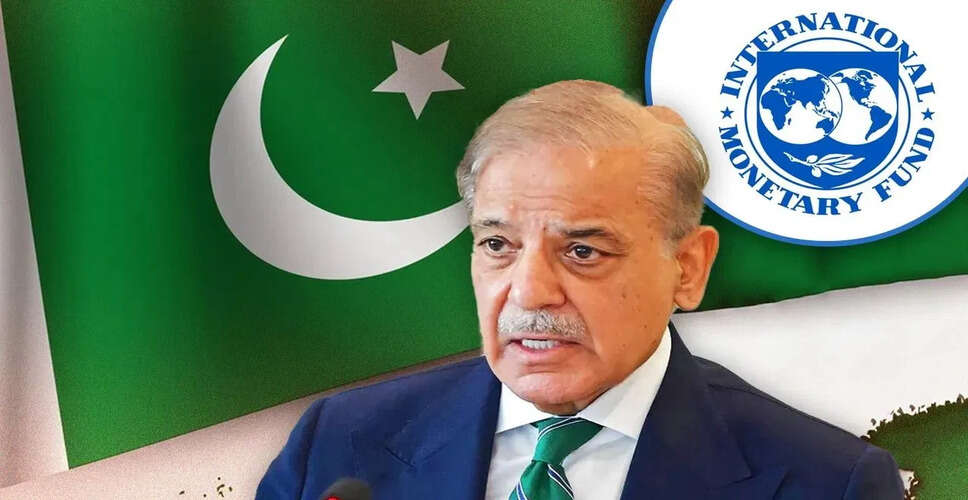
Pakistan Faces New Challenges from IMF
Following aerial conflicts with India, Pakistan may be on the brink of a significant crisis, as indicated by the International Monetary Fund (IMF). The IMF has imposed 11 new conditions for the next tranche of its relief program, warning that escalating tensions with India could jeopardize Pakistan's fiscal, external, and reform targets. Among the new stipulations are the approval of a budget amounting to 17.6 trillion Pakistani rupees by parliament, an increase in loan payment surcharges on electricity bills, and the lifting of restrictions on the import of cars older than three years. Let's delve into the specifics of the IMF's warnings and the new conditions imposed on Pakistan.
IMF's Warning to Pakistan
According to a report from a local newspaper, the IMF's staff-level report released on Saturday highlighted that the rising tensions between India and Pakistan could pose risks to the program's fiscal, external, and reform objectives. The report noted that tensions have escalated significantly over the past two weeks, yet the market's response has been relatively muted, with the stock market maintaining most of its recent gains. The IMF's report projected a defense budget of 2.414 trillion rupees for the upcoming fiscal year, reflecting an increase of 252 billion rupees or 12 percent. In contrast, the government indicated earlier this month that it might allocate 2.5 trillion rupees, an 18 percent increase, for defense following the escalation of conflicts with India.
New Conditions Imposed by IMF
The local newspaper further reported that the IMF has now placed an additional 11 conditions on Pakistan, bringing the total to 50. These new requirements include parliamentary approval for the budget for the next fiscal year. The IMF's report states that Pakistan's total budget will be 17.6 trillion rupees, with 10.7 trillion allocated for development projects. A new condition has also been set for the provinces, mandating that four federal units implement new agricultural income tax laws through a comprehensive plan that includes return processing, taxpayer identification and registration, communication campaigns, and compliance improvement strategies.
Additional Conditions for Provinces
The deadline for provinces to comply with these conditions is set for June. Another stipulation requires the government to publish an action plan based on recommendations for improving IMF operations. Additionally, the government must outline and publish a financial sector strategy for post-2027. The IMF has also introduced four new conditions for the energy sector. Following the terrorist attack in Pahalgam on April 22, India conducted operations against terrorist bases in Pakistan on the night of May 6-7. In retaliation, Pakistan attempted to strike Indian military bases on May 8, 9, and 10. A consensus was reached on May 10 to halt military actions between the two nations.