
ICE Alters Traffic Stop Protocols After Fatal Shootings

Significant Changes in ICE Operations
In light of two recent fatal incidents involving immigration agents in Texas and Maine, the US Immigration and Customs Enforcement (ICE) has reportedly advised its officers to cease routine traffic stops. This guidance represents a notable departure from the previous immigration enforcement approach under the Trump administration, which prioritized the swift arrest and deportation of undocumented individuals. As reported by various news outlets, the new directives instruct ICE's Enforcement and Removal Operations to collaborate with local law enforcement when executing vehicle stops related to criminal warrants.
An ICE spokesperson stated, "We continuously assess our procedures to ensure the safety of our officers and to keep criminals off the streets. We will not disclose or discuss law enforcement tactics." This policy shift follows two controversial shootings involving individuals who were not the intended targets of the operations.
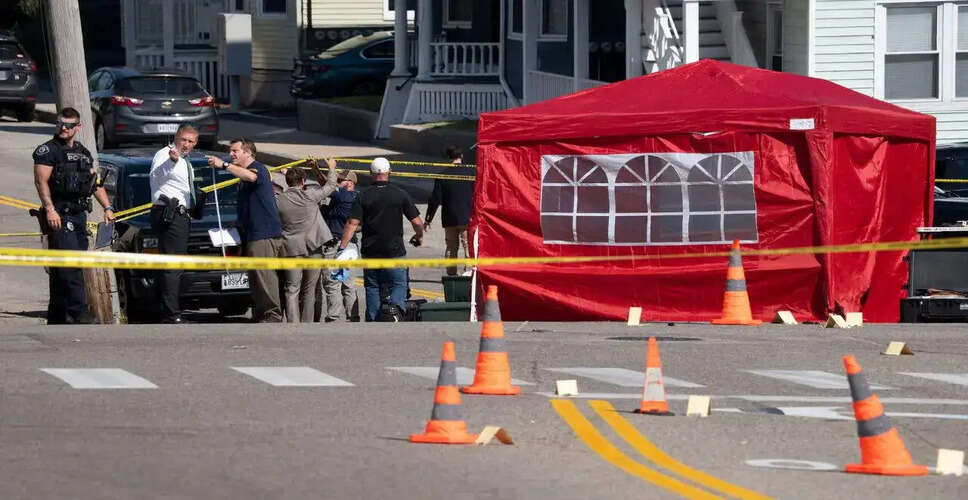
On July 13, Joan Sebastian Guerrero, a 28-year-old Colombian residing in Maine, was shot by an ICE officer during an attempted vehicle stop. ICE later claimed that the vehicle attempted to flee, prompting the officer to fire in fear for public safety. However, Maine Senator Angus King revealed that Guerrero was not the target of the operation and noted that none of the officers had body-worn cameras.
Just days earlier, ICE agents had fatally shot 52-year-old Lorenzo Salgado Araujo in Houston while he was en route to work. Officials confirmed that Salgado Araujo, an undocumented Mexican national who had lived in the US for 35 years, was also not the intended target. His brother and two colleagues traveling with him were similarly not targets of the operation. Following the incident, the Department of Homeland Security claimed that Salgado Araujo had attempted to evade arrest and posed a threat by trying to run over an ICE officer, who then acted in self-defense. However, witnesses have contested this narrative, and it has been acknowledged that the agents involved were not equipped with body cameras.
Reports indicate that federal immigration agents have shot at least 20 individuals in the past year, with most incidents occurring inside vehicles. Following the January shooting of Alex Pretti and Renee Good in Minneapolis, former Homeland Security Secretary Kristi Noem had committed to swiftly acquiring body cameras for immigration officers. Congress subsequently allocated an additional $20 million for the purchase and deployment of these cameras. However, the Department of Homeland Security has cited a partial government shutdown as a reason for delays in acquiring the body cameras, despite receiving substantial funding through President Trump's domestic spending legislation last year.
According to US Department of Justice policy, officers are advised against firing at moving vehicles unless there are no other reasonable means of defense available, including moving out of the vehicle's path. Similarly, Homeland Security's use-of-force policy states that firing at a driver is prohibited unless there is a reasonable belief that the individual poses an imminent threat of death or serious bodily injury. Federal guidelines also stipulate that deadly force should not be employed solely to stop a moving vehicle.