
Historic Nuclear Cooperation Agreement Between the US and Saudi Arabia

Major Breakthrough in US-Saudi Relations
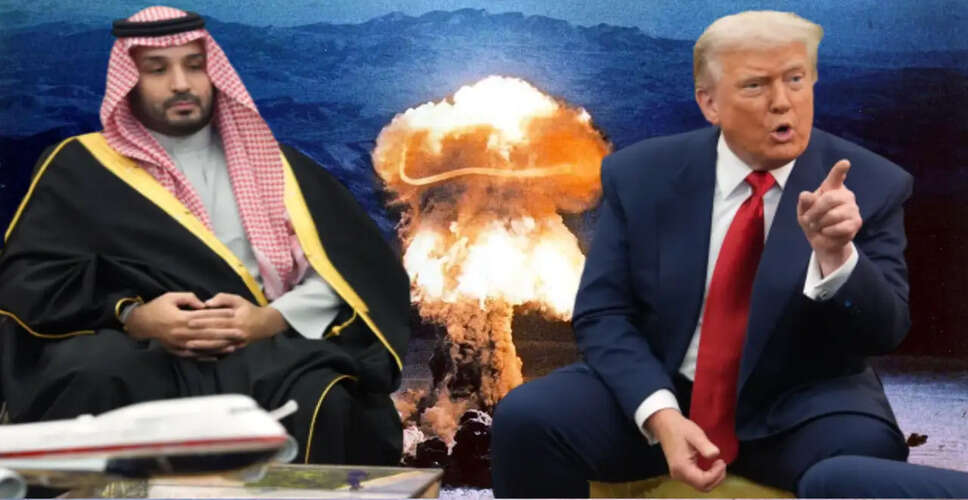
President Donald Trump has officially endorsed a significant civilian nuclear cooperation deal with Saudi Arabia, representing a pivotal advancement in the two nations' relations. This agreement, estimated to be worth tens of billions of dollars, will allow Saudi Arabia to greatly enhance its civilian nuclear energy initiatives and potentially establish uranium enrichment facilities within its borders. This development marks a substantial diplomatic achievement for Riyadh, which has long sought US backing for its own nuclear energy sector. Unlike earlier discussions under the Biden administration, the current agreement does not require Saudi Arabia to normalize relations with Israel prior to receiving US nuclear assistance.
Long-Term Agreement to Shape Saudi Nuclear Future
30-Year Deal Could Transform Saudi Nuclear Programme
Sources familiar with the agreement indicate that it will be valid for 30 years, allowing American firms to play a crucial role in building Saudi Arabia's nuclear infrastructure while limiting the involvement of foreign competitors. A significant aspect of the deal permits the construction of uranium enrichment facilities in Saudi Arabia, contingent upon a joint technical assessment by US and Saudi experts that determines their necessity for the kingdom's nuclear ambitions. Officials from the administration argue that maintaining American involvement will help ensure oversight and mitigate proliferation risks associated with sensitive nuclear technologies. The agreement is anticipated to be presented to Congress soon for review before it can be fully enacted.
Removal of Israel Normalization Requirement
Trump Administration Drops Israel Normalisation Requirement
A key change in policy is the elimination of the requirement for Saudi Arabia to normalize relations with Israel as a condition for nuclear cooperation. Previous negotiations, especially those under the Biden administration, linked nuclear cooperation to a broader regional agreement that necessitated Riyadh establishing diplomatic ties with Israel in exchange for security assurances and access to advanced nuclear technology. The Trump administration has now separated these issues, allowing the nuclear agreement to advance independently. This shift is expected to bolster the strategic partnership between Washington and Riyadh while providing Saudi Arabia with more leeway in its foreign policy pursuits.
Concerns Over Proliferation Risks
Congressional Scrutiny Expected Over Proliferation Risks
Despite the administration's backing, the agreement is likely to encounter scrutiny from lawmakers. Many have previously expressed concerns regarding Saudi Arabia's access to uranium enrichment technology, cautioning that such capabilities could be misused for military purposes if safeguards are compromised in the future. Critics warn that expanding nuclear capabilities in an already unstable Middle East poses significant proliferation risks. However, officials from the Trump administration argue that US involvement in Saudi Arabia's nuclear sector provides stronger oversight compared to allowing Riyadh to pursue similar technologies from other foreign sources.
Broader Strategic Implications
Strategic Implications Extend Beyond Energy
In addition to enhancing civilian energy production, this agreement highlights the Trump administration's broader strategy to strengthen ties with Saudi Arabia while ensuring continued American influence over the kingdom's technological advancements. By securing a pivotal role for US companies in Saudi Arabia's nuclear framework, Washington aims to reinforce its geopolitical alliance with one of its key Middle Eastern partners, even as regional security dynamics shift amid rising tensions with Iran and ongoing competition for influence in the Gulf region.