
Historic Diplomatic Talks Between Lebanon and Israel Set Amid Ongoing Conflict

First Direct Talks in Decades
In a significant development, Lebanon and Israel are preparing to engage in their first direct diplomatic discussions in decades, scheduled for Tuesday in Washington. This comes in the wake of a month-long conflict involving Israel and the Hezbollah militant group, which has severely impacted Lebanon.
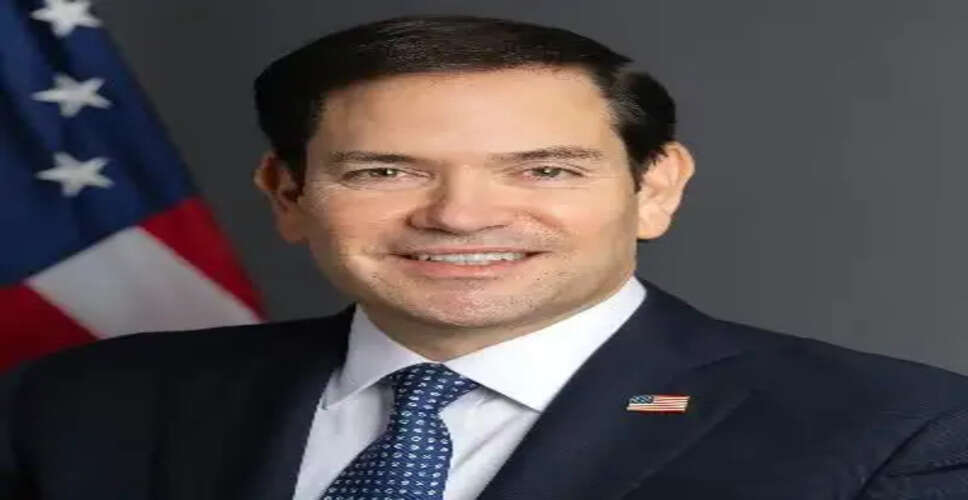
US Secretary of State Marco Rubio will participate in these talks alongside Israeli Ambassador Yechiel Leiter and Lebanese Ambassador Nada Hamadeh Moawad.
Hezbollah has voiced its opposition to these direct negotiations and will not have representation at the talks. A senior member of Hezbollah's political council, Wafiq Safa, stated that the group will disregard any agreements reached during the discussions.
According to Lebanon's Health Ministry, Israeli airstrikes have resulted in at least 2,089 fatalities, including 252 women, 166 children, and 88 medical personnel, with over 6,762 individuals injured. The conflict has also displaced more than 1 million people.
The Lebanese government is optimistic that these discussions could lead to a resolution of the ongoing war. While Iran has stipulated that ending regional conflicts is a prerequisite for talks with the US, Lebanon insists on its right to self-representation.
Critics, including Iran-backed Hezbollah, express skepticism regarding the effectiveness of these direct talks, arguing that the Lebanese government lacks the necessary leverage and should instead align with Iran's position.
Hezbollah maintains significant influence in southern Beirut and other regions, with allied politicians holding two ministerial positions. However, relations between Hezbollah and Lebanon's top political leaders have soured, particularly after the group's controversial decision to engage in the recent conflict, which has led to a crackdown on its military activities.
The Israeli military continues its operations in southern Lebanon, with some officials indicating that the goal is to establish a 'security zone' extending from the border to the Litani River, approximately 30 kilometers north.
Israel's defense minister has stated that displaced individuals from southern Lebanon will not be permitted to return until the area is demilitarized and security is assured for northern Israeli communities. Despite suffering setbacks in its last conflict with Israel, Hezbollah continues to launch drones, rockets, and artillery strikes into northern Israel.
The discussions aim to explore long-term security solutions for Israel's northern border and support Lebanon in regaining control over its territory and political future from Hezbollah, as noted by a US State Department official who requested anonymity.
These will be the first formal talks between Lebanon and Israel since 1993.
Lebanon's political leaders, critical of Hezbollah's actions in solidarity with Iran, have proposed these direct talks to de-escalate tensions and prevent further Israeli military action. Israel's response was delayed until last week, following extensive airstrikes across Lebanon, including in Beirut.
Lebanon seeks a ceasefire as a condition for negotiations, similar to the US-Iran talks facilitated by Pakistan.
Lebanese President Joseph Aoun emphasized that the destruction of Lebanese territory by Israel is not a viable solution, advocating for diplomatic resolutions as the most effective means to resolve conflicts.
Israel has dismissed the possibility of a ceasefire.
Foreign Minister Gideon Saar stated that the issue lies with Hezbollah, not Lebanon, asserting that the group is financially tied to Iran, effectively placing Lebanon under Iranian influence.
Hezbollah and its supporters have criticized the direct talks, viewing them as a concession to Israel unless there is a prior cessation of hostilities and withdrawal of Israeli forces.
Hezbollah Secretary-General Naim Kassem has called for the cancellation of the talks, advocating for a return to the 2024 agreement that facilitated indirect negotiations with the US, France, and the UN peacekeeping forces.