
Historic Diplomatic Talks Between Israel and Lebanon Amid Ongoing Conflict

Direct Talks Mark a New Chapter
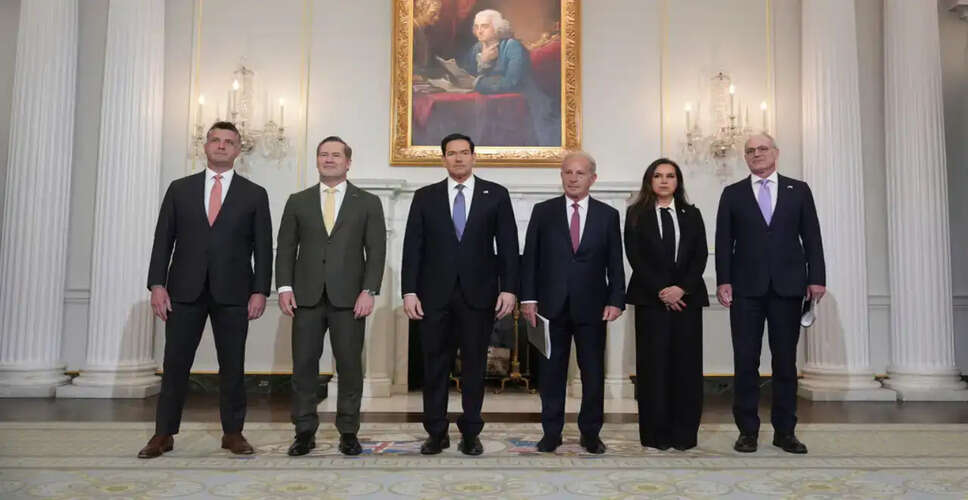
In a significant development, Israel and Lebanon engaged in their first direct diplomatic discussions in decades on Tuesday in Washington. This meeting follows over a month of conflict involving Israel and the Iran-supported Hezbollah group. U.S. Secretary of State Marco Rubio described the event as a "historic opportunity," although he cautioned that immediate breakthroughs were unlikely. The State Department commended both parties for what it termed "productive discussions aimed at initiating direct negotiations between Israel and Lebanon." Notably, Hezbollah, which opposed these talks, was not present and intensified its attacks on northern Israel as discussions commenced.
U.S. Role and Regional Dynamics
The U.S. emphasized that any ceasefire agreement must be negotiated directly between the two governments, facilitated by American mediation, rather than through separate channels. Israeli Ambassador to the U.S., Yechiel Leiter, expressed optimism about a shared desire to diminish Hezbollah's influence in Lebanon, highlighting a positive dialogue. He stated, "The Lebanese government has made it clear that they will no longer be under Hezbollah's control. Iran's power has diminished, and Hezbollah is significantly weakened. This presents a unique opportunity."
Lebanon's Stance and Humanitarian Concerns
Lebanese Ambassador to the U.S., Nada Hamadeh Moawad, reiterated the urgent need to end the Israel-Hezbollah conflict, emphasizing the importance of territorial integrity and state sovereignty. She called for a ceasefire, the return of displaced individuals, and effective measures to address the severe humanitarian crisis caused by the ongoing conflict. Despite Hezbollah's rejection of the talks, this marks a crucial step for two nations that have had no diplomatic relations and have been officially at war since Israel's establishment in 1948.
Challenges Ahead
As discussions unfolded, Rubio acknowledged the complexities stemming from decades of conflict, stating, "We understand we’re working against decades of history and complexities that will not be quickly resolved." The Lebanese government hopes these talks will lead to a resolution of the war, while Hezbollah and its supporters argue that Lebanon's government lacks the necessary leverage and should align with Iran's stance. Wafiq Safa, a senior member of Hezbollah's political council, asserted that the group would not adhere to any agreements reached during the talks.
Escalating Violence and Human Cost
On the day of the discussions, Israeli communities near the Lebanese border faced continuous drone and rocket alerts due to incoming fire. Hezbollah claimed responsibility for 24 attacks on northern Israel and Israeli troops in southern Lebanon. The Health Ministry reported that at least 2,124 individuals have died in Israeli strikes in Lebanon, including many women and children, with over 1 million people displaced. The conflict reached a peak last week when Israel executed 100 airstrikes across Lebanon in just 10 minutes, resulting in over 350 fatalities.
Historical Context of Talks
These discussions are the first direct talks between Israel and Lebanon since 1993, with both nations previously relying on indirect communication facilitated by the U.S. or UN peacekeeping forces. Following a series of escalations, Lebanese officials proposed direct talks to prevent further conflict, hoping to deter an Israeli ground invasion. However, Israel's response was delayed until last week, after significant bombardments in Beirut drew international condemnation and threats from Iran regarding the ceasefire with the U.S. and Israel.
Future Prospects
Lebanese officials continue to advocate for a truce, which Israel has dismissed. Nevertheless, Israel has paused strikes on Beirut following the recent bombardment. Lebanese President Joseph Aoun emphasized that military destruction is not a viable solution, advocating for diplomatic resolutions as the most effective means to resolve conflicts. Meanwhile, Foreign Minister Gideon Saar clarified that the primary issue lies with Hezbollah, not Lebanon itself. Hezbollah seeks a return to the 2024 agreement that facilitated indirect talks with the U.S., France, and UN peacekeepers.