
Hiroshima Commemorates 81 Years Since Atomic Bombing Amid Nuclear Concerns
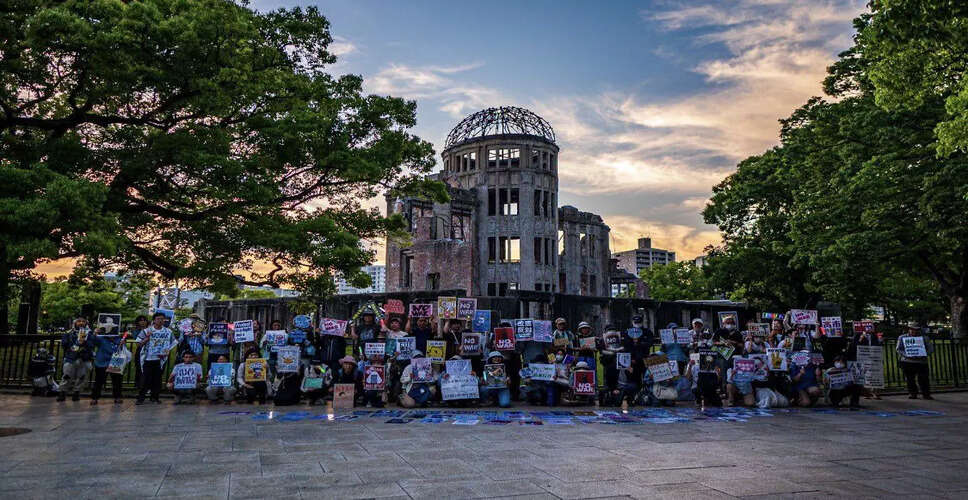

Hiroshima Remembers the Past
Photo: @picar1225/X
Tokyo, August 6: Hiroshima, Japan, observed the 81st anniversary of the atomic bombing by the United States, amidst escalating worries regarding nuclear threats and increasing global tensions.
During the annual memorial event at the Peace Memorial Park, Hiroshima's Mayor Kazumi Matsui presented the Peace Declaration, emphasizing the devastating impacts of nuclear arms and advocating for disarmament and non-proliferation through collaborative international efforts.
Mayor Matsui cautioned, "Minimizing the horrors of nuclear weapons and endorsing the use of force for personal gain could lead to cycles of violent retribution, potentially resulting in another tragedy like Hiroshima or Nagasaki."
With the number of atomic bomb survivors dwindling, Matsui urged younger generations to take charge in fostering a widespread agreement for the elimination of nuclear weapons, as reported by a news agency.
A moment of silence was observed at 8:15 a.m. local time, marking the exact moment the atomic bomb exploded over Hiroshima on August 6, 1945, claiming approximately 140,000 lives by the end of that year.
Just three days after the devastation of Hiroshima, a second atomic bomb was dropped on Nagasaki in southern Japan.
As the only nation to have experienced atomic bombings, Japan has consistently adhered to the Three Non-Nuclear Principles, which forbid the possession, production, or introduction of nuclear weapons within its borders.
However, in recent years, there has been a growing push to amend these principles, particularly among the ruling coalition. Reports indicate that Prime Minister Sanae Takaichi's administration is contemplating changes to the principle against the introduction of nuclear arms into Japan, raising significant concerns across various sectors of Japanese society.
According to the Tokyo Shimbun, since Takaichi assumed office in October of the previous year, at least 128 local assemblies from 36 prefectures have submitted formal opinions to Japan's parliament, urging the government to maintain the Three Non-Nuclear Principles, marking a record high in such submissions.