
Hamas to Transfer Gaza Control to UN-Backed Committee Amid Ceasefire Efforts
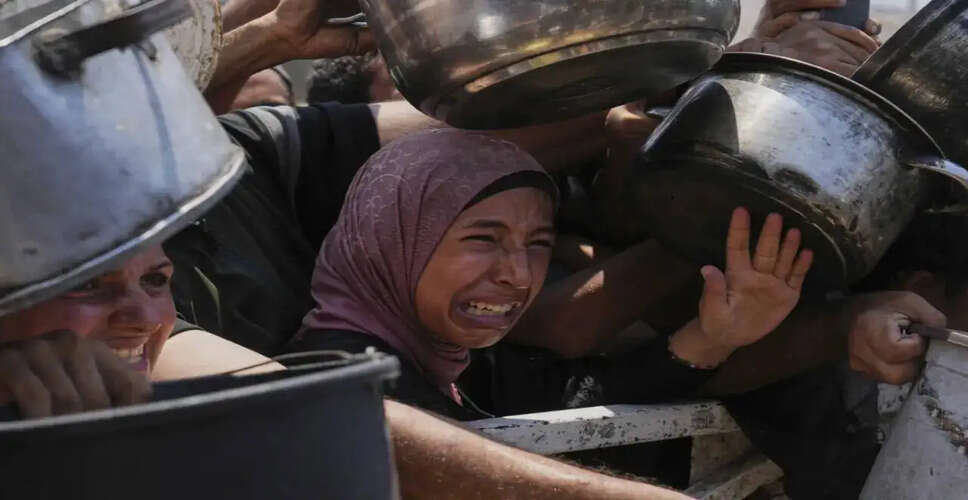

Hamas Announces Transition of Power in Gaza
On Monday, Hamas declared its intention to disband its governing committee in the Gaza Strip, signaling a shift towards a United Nations-supported technocratic committee. This development is seen as a crucial step in the U.S.-mediated ceasefire agreement aimed at concluding months of conflict. The militant group emphasized that this decision reflects its dedication to the reconstruction of Gaza following the war and the adherence to the ceasefire framework.
Hamas stated that the transition aims to establish an independent technical administration responsible for managing vital civilian services and reconstruction initiatives throughout the war-torn region. However, the group did not clarify its stance on a key issue in the negotiations: whether it is willing to disarm or relinquish control over Gaza's security forces. There was no indication from Hamas regarding the surrender of its weapons or the transfer of security duties to an international peacekeeping entity or any other authority.
The announcement was made by a lower-ranking official within Hamas, which raises questions about the speed and feasibility of implementing this decision on the ground. Experts suggest that the success of this initiative will hinge on Hamas taking tangible actions beyond mere administrative changes.
This announcement comes as international mediators continue to advocate for the comprehensive execution of the ceasefire agreement, which encompasses provisions for humanitarian assistance, reconstruction, governance reforms, and long-term security arrangements.
In response to the announcement, the Board of Peace, an international organization formed during the Trump administration to oversee Gaza's governance transition and reconstruction, stated it would assess Hamas based on its actions rather than its declarations. The Board emphasized that the proposed technocratic committee must gain full control over all weapons and security issues in Gaza, in line with the ceasefire agreement. "We will evaluate this announcement based on actions, not promises," the Board remarked, highlighting that complete authority over weapons is crucial for achieving lasting peace and stability in Gaza.
While Hamas' decision could signify a pivotal moment in Gaza's political landscape, significant uncertainties remain regarding the group's readiness to cede military authority. Observers note that the success of this transition will largely depend on whether the transfer of power encompasses not only civilian governance but also security control, a critical demand from both mediators and the international community.