
Global Youth Movements: Gen Z Protests Spark Change Across Nations

Introduction to Global Youth Protests
A significant movement spearheaded by Gen Z activists, often referred to as "cockroaches," has successfully influenced the Indian government following weeks of demonstrations, chants, and even violence. This protest initially focused on demanding accountability and improvements in the education system due to frequent examination leaks. The efforts culminated in the resignation of Union Education Minister Dharmendra Pradhan. However, India's student-led protests are not isolated incidents; similar movements have emerged globally.
Nepal's Gen Z Uprising
Nepal, 2025 witnessed protests initiated by Gen Z in September, primarily against a social media ban and rampant corruption. The demonstrations aimed at ousting Prime Minister KP Sharma Oli escalated into violence, resulting in over 51 fatalities and more than 1,300 injuries. The unrest ultimately led to Oli's resignation, paving the way for Sushila Karki to become Nepal's first female prime minister on an interim basis. In the March 2026 elections, the Rastriya Swatantra Party, led by 35-year-old rapper Balen Shah, achieved a significant victory, making him Nepal's first Gen Z Prime Minister.
Bangladesh's Student-Led Movement
Bangladesh, 2024 saw student protests erupt in July against discriminatory public-service quotas, which escalated into a nationwide uprising against Prime Minister Sheikh Hasina. The protests turned violent, resulting in the deaths of hundreds of students due to security forces' actions. Following Hasina's ousting, an interim government led by Nobel laureate Muhammad Yunus took over. In the subsequent elections in February 2026, Tarique Rahman, son of former Prime Minister Khaleda Zia, was elected as the new Prime Minister.
Madagascar's Youth Movement
Madagascar, 2025 experienced a massive youth movement triggered by ongoing water and power shortages, which led to the ousting of President Andry Rajoelina. Col. Michael Randrianirina, a military official who supported the Gen Z protesters, assumed power and became the new President. He dissolved the entire cabinet, appointed former anti-corruption chief Mamitiana Rajaonarison as Prime Minister, and introduced a law mandating polygraph tests for all ministerial candidates to combat corruption. New elections are promised within two years.
Peru's Political Turmoil
Peru, 2025 saw protests erupt in September over crime and pension disputes, leading to widespread discontent against President Dina Boluarte, who was removed from office in October. Interim successor José Jerí was replaced by José Balcázar in February 2026 after a series of presidential dismissals due to corruption allegations. In a closely contested runoff election, conservative Keiko Fujimori narrowly defeated nationalist congressman Roberto Sánchez, becoming Peru's ninth president in a decade.
Morocco's Ongoing Struggles
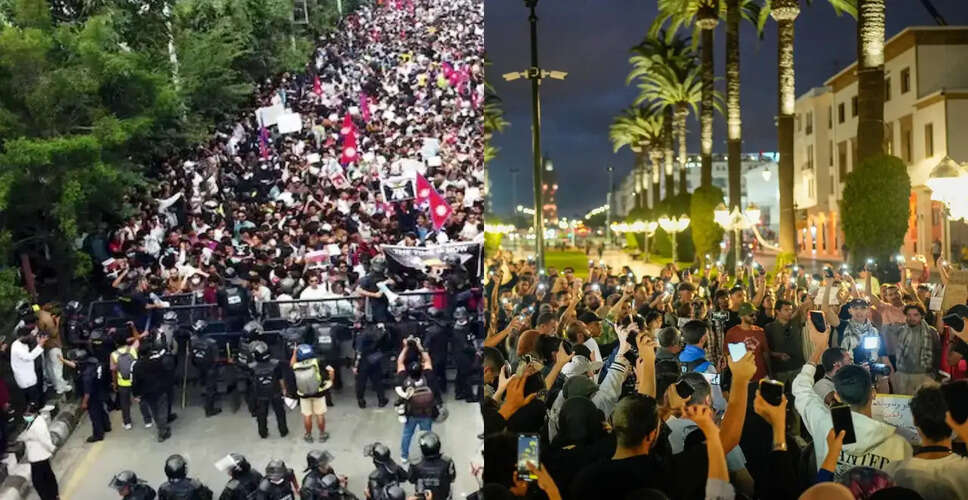
Morocco, 2025 witnessed mass protests driven by youth concerns over economic conditions, organized under the banner "Gen Z 212". The protests faced a harsh police crackdown, and unlike the movements in Nepal and Madagascar, the Moroccan government has remained intact, with limited systemic reforms being implemented.