
Global Water Crisis: Humanity Faces Water Bankruptcy

Introduction to Water Bankruptcy
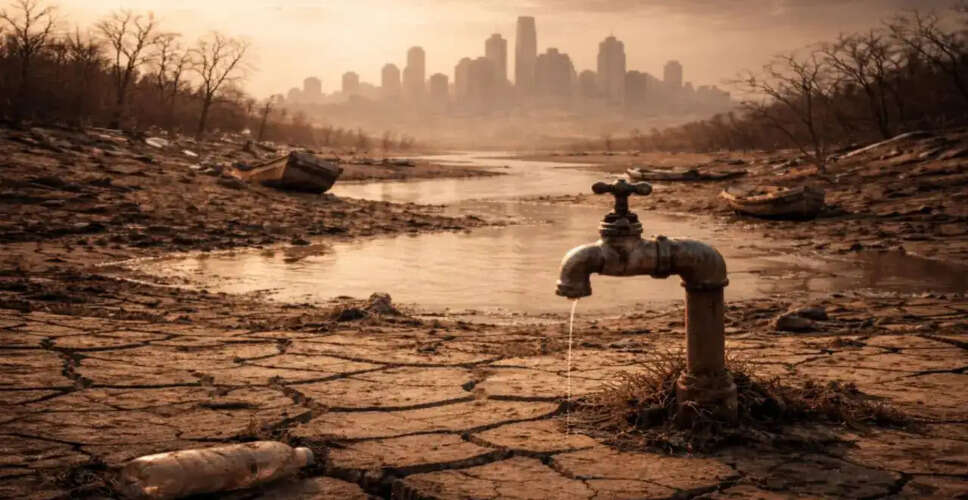
The planet is not merely approaching a water crisis; it is entrenched in one. A recent report supported by the United Nations has proclaimed that humanity has entered a phase of 'global water bankruptcy,' indicating a situation far more dire than mere temporary shortages. Professor Kaveh Madani, who leads the UN University Institute for Water, emphasized that for many regions, the concept of 'normal' has vanished.
Understanding Water Bankruptcy
What Is ‘Water Bankruptcy’?
Unlike a transient water crisis, water bankruptcy signifies a prolonged failure of water systems. The UN report explains that this condition arises when nations extract and contaminate freshwater at a rate that exceeds nature's ability to replenish it, while also depleting vital reserves such as aquifers and lakes. In essence, humanity is consuming water at a pace that outstrips its natural replenishment, leading to irreversible damage in numerous areas.
The Scale of the Crisis
A Planet Under Pressure
The magnitude of this crisis is alarming: nearly 75% of the global population resides in areas facing water insecurity. Approximately 4 billion individuals experience significant water shortages for at least one month each year. Since the 1990s, over half of the world’s major lakes have diminished in size. Reports indicate that water systems are currently in a state of failure, with essential reserves like rivers and glaciers being rapidly exhausted. Major rivers in countries such as the US and Australia are failing to reach their outlets, highlighting the severity of overuse.
Visible Consequences
Sinkholes, Sinking Cities, Drying Rivers
The indicators of this crisis are evident across various continents. In Turkey’s Konya plain, excessive groundwater extraction has led to the emergence of over 700 sinkholes. Cities worldwide are experiencing subsidence as aquifers collapse beneath them. The UN report notes that land sinking is impacting millions, particularly in regions like Iran, Mexico, and Southeast Asia. Furthermore, major cities, including Chennai and Sao Paulo, are perilously close to 'Day Zero,' when water supplies may run out completely.
Root Causes of the Crisis
What’s Driving the Crisis?
The factors contributing to this crisis are intricately linked:- Agriculture, which accounts for approximately 70% of global freshwater use.
- Excessive groundwater extraction for urban and industrial needs.
- Destruction of wetlands that serve as natural water reservoirs.
- Pollution affecting rivers and lakes.
- The climate crisis, which disrupts rainfall patterns and accelerates glacier melting.
Geopolitical and Economic Implications
Rising Conflicts and Economic Risks
The repercussions extend beyond environmental concerns, influencing global geopolitics. Water-related conflicts have escalated significantly, increasing from a few dozen incidents a decade ago to hundreds worldwide, as reported by the UN. Water scarcity is also driving up food prices and jeopardizing global supply chains, resulting in billions of dollars in economic losses annually due to drought and land degradation. However, the impact is not uniformly distributed; vulnerable populations, including small-scale farmers, low-income communities, and Indigenous groups, bear the brunt of these challenges.
A Call to Action
A Crisis - But Also a Turning Point?
Despite the bleak outlook, experts assert that the term 'bankruptcy' is intended to inspire action rather than despair. Professor Madani emphasized that this terminology aims to foster hope and prompt urgent global collaboration. The report suggests that water could serve as a unifying issue in a divided world, compelling nations to reconsider consumption practices, safeguard ecosystems, and share resources more sustainably. Ultimately, experts warn that if the global community cannot unite to protect water, the most fundamental necessity for life, it may struggle to find consensus on any other issue.