
Global Shipping Disruption in the Strait of Hormuz Raises Invasive Species Concerns

Potential Ecological Crisis from Shipping Delays
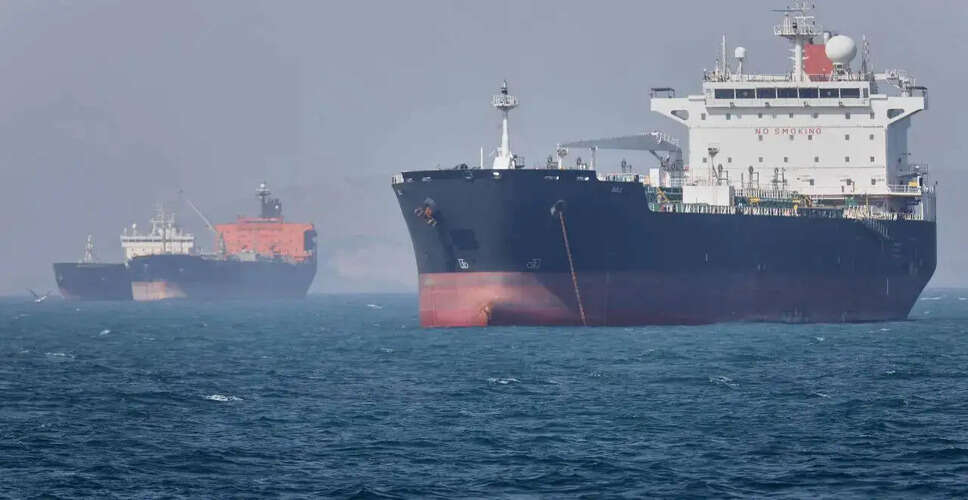
Experts warn that a prolonged halt in shipping activities through the Strait of Hormuz could lead to significant ecological issues, as numerous vessels stranded in the area may inadvertently transport invasive marine species to various global ports. Researchers have indicated that the slowdown in maritime operations has created favorable conditions for what they term a potential "superspreader event." Marine organisms are attaching themselves to the hulls of ships that have been stationary for extended periods, and once these vessels resume their journeys, the species could spread well beyond the Middle East.
This alarming warning stems from a recent study published in the journal Biological Invasions, where marine ecologists assessed the environmental hazards associated with the ongoing disruptions in the Persian Gulf.
Shipping Disruptions and Their Implications
The Strait of Hormuz is recognized as one of the busiest maritime routes globally, responsible for the transportation of approximately 20% of the world's crude oil supply. However, navigation through this critical waterway has frequently been interrupted due to ongoing tensions between the U.S. and Iran. Currently, scientists estimate that over 1,500 commercial vessels are trapped in the Persian Gulf, with many more anchored in the Gulf of Oman. These unusual delays provide ample opportunity for underwater organisms to attach and flourish on the ships.
Researchers express concern that once these vessels eventually depart the region, they will carry with them non-native species.
Understanding Biofouling
The primary threat arises from a phenomenon known as biofouling, where microorganisms, algae, barnacles, mussels, and other marine life cling to submerged sections of a ship. Although commercial vessels are treated with anti-fouling paint to minimize marine growth, researchers note that these coatings lose effectiveness when ships remain idle for extended durations. Mario Tamburri, a marine ecologist at the University of Maryland and the lead author of the study, explains that prolonged inactivity allows marine species to thrive, reproduce, and form dense colonies. When shipping traffic resumes, these organisms can embark on long-distance journeys and establish themselves in new environments.
Unique Conditions in the Strait of Hormuz
Experts highlight that the risk is particularly significant in the Strait of Hormuz, as aquatic organisms native to the Persian Gulf have adapted to endure some of the most extreme conditions faced by marine species. The region's waters are notably warm and saline, leading to the evolution of organisms that are exceptionally resilient. This robustness may enhance their survival rates during long migrations to unfamiliar habitats. Consequently, the authors of the research label the current situation as one of the most pressing biosecurity threats to marine species in recent years.
Lessons from Zebra Mussels
The researchers reference zebra mussels as a cautionary tale regarding the potential damage caused by invasive aquatic species. Initially found in the Caspian and Black Seas, zebra mussels proliferated throughout North America's Great Lakes in the 1980s and subsequently spread into major river systems, resulting in extensive ecological and economic harm. Scientists assert that eradicating them once established has proven nearly impossible.
Environmental Risks from Ongoing Conflicts
The research paper notes that similar issues arose during the COVID-19 pandemic when many ships were anchored for prolonged periods. However, the current disruption poses a greater risk as it occurs during the hottest months in the Gulf. The warm, nutrient-rich waters facilitate rapid growth and reproduction of marine life, leading to larger colonies forming on stationary vessels.
Preventive Measures Are Essential
Researchers emphasize that preventing the spread of invasive species is significantly easier than attempting to eliminate them afterward. They advocate for thorough hull cleaning before ships depart affected regions and support the implementation of stricter international regulations requiring vessels to demonstrate clean hulls before entering sensitive ports. Countries like New Zealand have already adopted stringent measures against biofouling, and the International Maritime Organization is exploring steps to enhance biofouling regulations globally. The researchers warn that neglecting preventive actions before shipping fully resumes could lead to environmental repercussions in the Strait of Hormuz that extend beyond the Middle East.