
Global Leaders React to US-Iran Peace Agreement
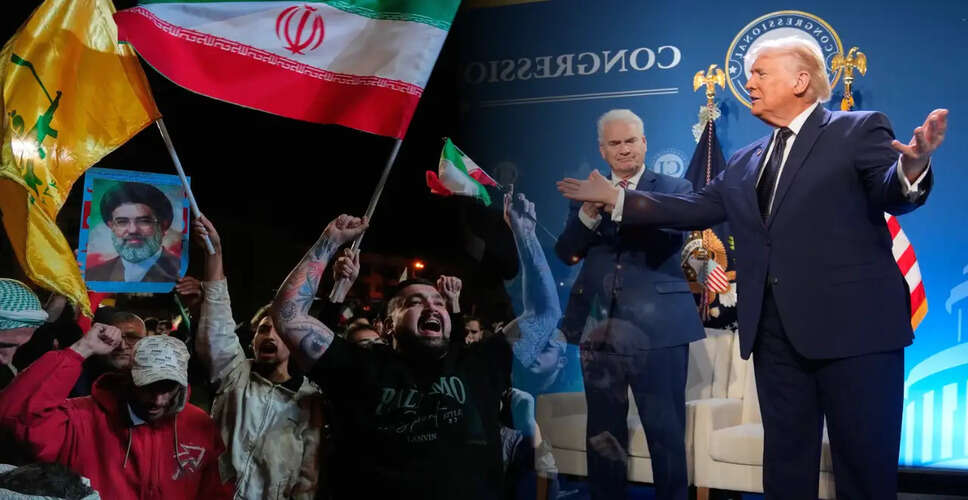

International Response to the US-Iran Peace Deal
The recent announcement of a peace agreement between the United States and Iran has elicited a wide-ranging response from the international community. World leaders and various multilateral organizations have hailed the deal as a pivotal move towards resolving one of the most destabilizing conflicts in the Middle East in recent years. This framework agreement, revealed by officials from both nations on Sunday, encompasses an immediate ceasefire, the removal of the US blockade on Iran, and plans to reopen the Strait of Hormuz, a crucial channel for global energy supplies.
This development follows over three months of conflict that involved regional players, disrupted maritime trade routes, and raised alarms about the security of global oil markets. Although several key aspects of the agreement still require further negotiations, the announcement has sparked optimism among governments concerned about the economic and security ramifications of a prolonged standoff. Financial markets reacted positively, with Asian stocks rising in anticipation of a gradual resumption of energy exports through the Strait of Hormuz, which is vital for a significant portion of the world's oil and liquefied natural gas shipments.
Support from the UN and European Leaders
The United Nations was among the first to respond, with a spokesperson for Secretary-General Antonio Guterres expressing approval of the agreement. The spokesperson characterized it as a crucial opportunity to shift the conflict from military confrontation to diplomatic dialogue.
I warmly congratulate the US & Iran for having reached a peace deal that provides for an immediate & permanent ceasefire, the reopening of the Strait of Hormuz, as well as a framework for further negotiations. This represents a critical step towards the peaceful settlement of the…
— António Guterres (@antonioguterres) June 14, 2026
The Secretary-General's statement emphasized that the agreement signifies a "critical step towards the peaceful settlement of the conflict."
I welcome the agreement between the U.S. and Iran and congratulate President Trump and the Iranian side on this diplomatic breakthrough. This can pave the way towards a reinvigorated global economy and a more secure Middle East. It is crucial to implement it with determination.
— Bundeskanzler Friedrich Merz (@bundeskanzler) June 14, 2026
European leaders also expressed their support while reiterating concerns regarding Iran's nuclear ambitions. A joint statement from Britain, France, Germany, and Italy emphasized that Iran must not acquire nuclear weapons and committed to collaborating with the US, Iran, and the International Atomic Energy Agency to bolster diplomatic efforts.
My statement on today's agreement between the United States and Iran. pic.twitter.com/taQZufv7ij
— Keir Starmer (@Keir_Starmer) June 14, 2026
British Prime Minister Keir Starmer emphasized the need to restore freedom of navigation through the Strait of Hormuz, while French President Emmanuel Macron described the agreement as the result of persistent diplomatic efforts and urged for its swift implementation by all parties involved. German Chancellor Friedrich Merz congratulated both Washington and Tehran, stating that the agreement could lead to a more robust global economy and a safer Middle East if fully realized.
Reactions from Pakistan and Asia-Pacific Nations
Pakistan, which has been involved in mediation efforts during the conflict, praised the agreement as a diplomatic achievement. Foreign Minister Ishaq Dar referred to it as a "significant breakthrough" resulting from sustained engagement and collaborative efforts by all parties. He noted that the agreement would instill confidence in international markets and alleviate uncertainty for developing economies that have been particularly affected by rising energy costs. Dar also expressed optimism that a formal signing ceremony anticipated later this month would further enhance the diplomatic process.
In the Asia-Pacific region, leaders underscored the importance of ensuring the safe reopening of the Strait of Hormuz. Japanese Prime Minister Sanae Takaichi expressed strong hopes for the restoration of secure navigation through the waterway while negotiations on Iran's nuclear program continue. New Zealand's Foreign Minister Winston Peters characterized the agreement as a constructive step towards easing regional tensions, asserting that diplomacy remains the most effective means of resolving long-standing disputes and fostering stability in a region critical to global economic security.