
Global Coalition Condemns Iran's Actions in Strait of Hormuz
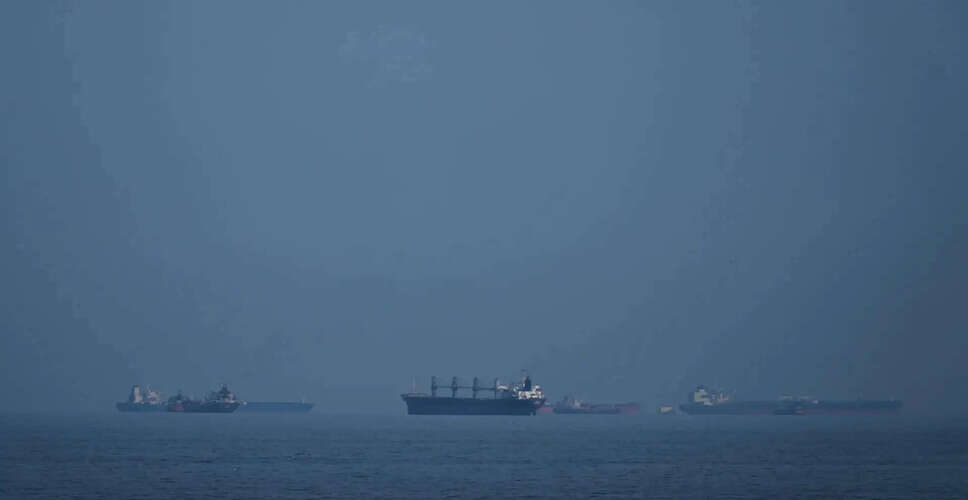
International Response to Strait of Hormuz Tensions
On Saturday, over 20 nations united in condemning what they termed the 'de facto closure' of the Strait of Hormuz, pledging to ensure safe navigation through this vital maritime corridor amid rising tensions in West Asia. In a collective statement, countries such as the United Arab Emirates, the United Kingdom, France, Germany, Italy, Japan, Canada, and Australia criticized Iran's recent actions, which include assaults on commercial ships and attacks on civilian infrastructure like oil and gas facilities.
They stated, 'We strongly condemn the recent assaults by Iran on unarmed commercial vessels in the Gulf, as well as the attacks on civilian infrastructure, including oil and gas installations, and the de facto closure of the Strait of Hormuz by Iranian forces.' The nations expressed alarm over the deteriorating situation and urged Iran to cease its threats to maritime activities, which involve the use of mines, drones, and missiles.
In alignment with UNSC Resolution 2817, the statement highlighted that such interference with international shipping and disruption of global energy supply chains pose a threat to international peace and security. They called for an immediate and comprehensive halt to attacks on civilian infrastructure, particularly oil and gas facilities.
The coalition also indicated their readiness to take action to secure the waterway, stating, 'We express our willingness to contribute to appropriate efforts to ensure safe passage through the Strait. We appreciate the commitment of nations engaged in preparatory planning.'
Reaffirming the principles of international law, the statement emphasized the importance of maintaining freedom of navigation. 'Freedom of navigation is a fundamental principle of international law, as outlined in the United Nations Convention on the Law of the Sea. The repercussions of Iran's actions will impact people globally, especially the most vulnerable,' the statement concluded.
Additionally, the countries welcomed the International Energy Agency's decision to release 400 million barrels of emergency oil reserves to stabilize global markets affected by the ongoing crisis. Tensions in the region have intensified since late February, significantly disrupting shipping through the Strait of Hormuz, a crucial route for global energy supplies.