
Germany Faces Internal Dispute Over Iranian Threats Amid Ongoing Conflict

Tensions Within the German Government
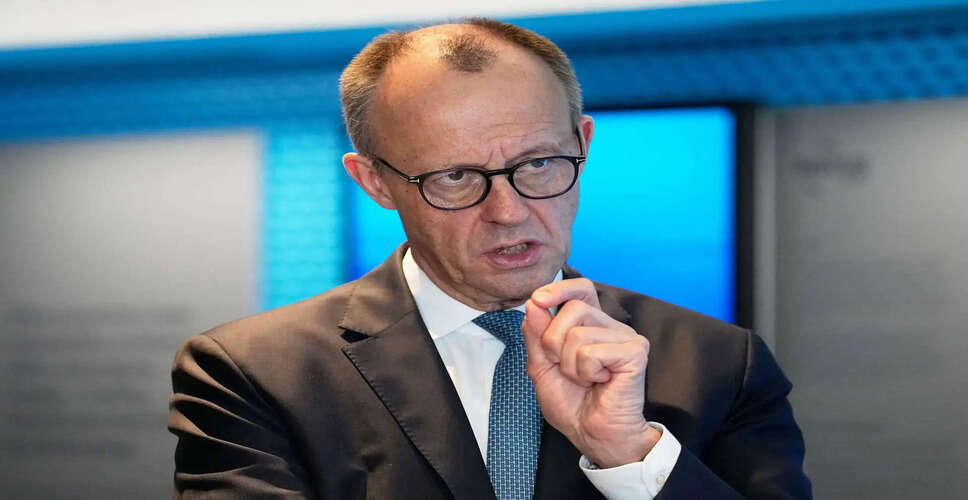
Germany's government is experiencing rising tensions regarding the perceived threat of Iran-linked attacks on its territory, particularly in light of the ongoing US-Israeli conflict with Iran. While intelligence officials express concerns about tangible and escalating risks, Chancellor Friedrich Merz and other senior officials have minimized the severity of the threat.
Public Statements vs. Intelligence Warnings
Chancellor Merz and Interior Minister Alexander Dobrindt have recognized the existence of threats from Iran but have characterized them as mostly theoretical. In a speech on March 12, Merz mentioned that security measures around Israeli, Jewish, and American institutions had been heightened, yet he stated there was no evidence indicating a heightened domestic threat level.
Contrarily, various senior officials from Germany's intelligence community have privately indicated that the threats are more pressing and serious than what the federal government has publicly acknowledged. This discrepancy has led to tensions between national leaders in Berlin and state-level intelligence agencies.
State intelligence officials, who are closer to potential targets, are particularly frustrated. They argue that clearer public warnings are essential for citizens to recognize the risks. However, federal leaders seem worried that raising alarms could lead to unnecessary panic or a self-fulfilling prophecy.
Reasons Behind Germany's Target Status
Germany's strong support for Israel and its provision of military bases for US operations related to the Iran conflict have made it a target in the eyes of Tehran. Prior to the current conflict, European intelligence had already identified around 50 suspected Iran-linked plots within Germany, with these activities escalating since the war began. Iranian operatives are increasingly utilizing proxies, such as criminal organizations and biker gangs, complicating the tracing of these plots.
Identified Threats and Recent Events
German intelligence has pinpointed two primary targets:
- Jewish and Israeli institutions, many of which are believed to be under current Iranian-linked threats.
- Iranian dissidents residing in Germany, who have reportedly faced threats and attacks from Iranian agents, sometimes using personal information about their relatives in Iran.
A notable incident occurred in April in Munich, where an Israeli restaurant was vandalized after hours, with windows broken and explosive devices thrown inside, though no injuries were reported. The group claiming responsibility, Harakat Ashab al-Yamin al-Islamiyya, has conducted similar attacks across Europe, with evidence linking them to support from Tehran.
Concerns Over Hybrid Warfare
Officials are increasingly worried about the potential for 'hybrid attacks,' which combine elements of terrorism, sabotage, and proxy operations. Reports indicate that Iran has intensified its recruitment of local proxies, particularly individuals with Iranian heritage in Europe, who may be more susceptible to influence or coercion.
While the Interior Ministry acknowledges that evidence of Iranian plots in Germany has risen since the onset of the war, it continues to align with the Chancellor's cautious public messaging.
Political and Security Challenges
This internal disagreement underscores broader challenges facing Germany and Europe, including:
- Being drawn into a conflict without full control over its trajectory.
- Balancing security needs with economic implications, such as rising energy costs.
- Maintaining domestic stability while supporting allies.
State intelligence agencies feel their warnings are being diluted for political reasons, while federal officials stress the importance of unity in addressing the threats. As the Middle Eastern conflict continues, the debate within Germany regarding the Iranian threat is expected to endure. Intelligence officials remain vigilant in monitoring and disrupting plots, but the disparity between private assessments and public statements raises concerns among those closest to the threats.