
First Group of Migrants Deported to Congo Under New US Agreement
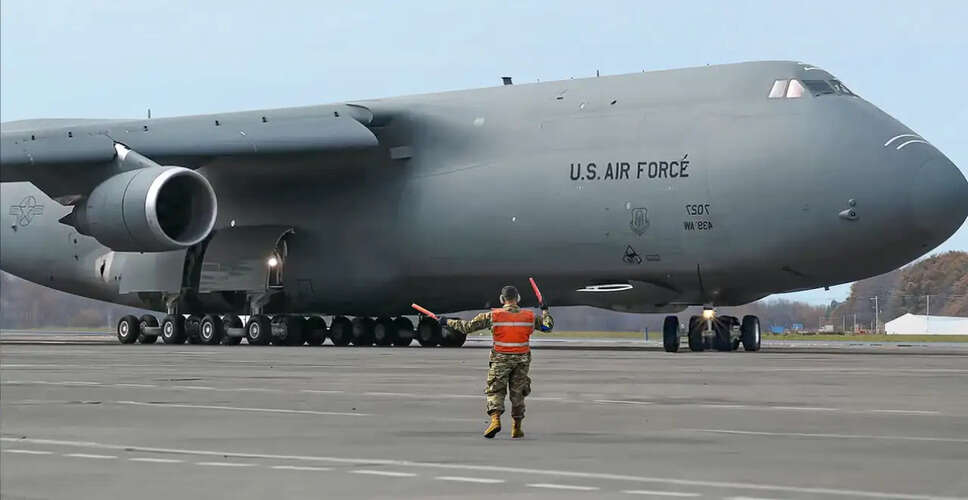

Arrival of Migrants in Kinshasa
Early Friday morning, the inaugural group of migrants deported from the United States arrived in Kinshasa, Democratic Republic of Congo, as confirmed by various sources including the migrants themselves, a legal representative, and airport officials. The flight landed around 1 a.m. local time after a lengthy journey that involved layovers in Senegal and Ghana, with tracking data verifying its departure from Alexandria, Louisiana.
A Colombian woman aboard the flight reported that there were 16 individuals on board, comprising nine men and seven women. However, an airport source suggested the actual number might be closer to 15. The group consisted of migrants from Colombia, Peru, and Ecuador. She described the flight as uneventful, noting that they were well-treated and provided with sufficient food, despite the trip lasting approximately 26 to 27 hours.
This event marks the first transfer of 'third-country' deportees to Congo under a bilateral agreement established on April 5. Requests for comments from Congo’s interior ministry and presidency went unanswered. Alma David, a US-based attorney representing one of the migrants, indicated that the number of deportees might have been lower than anticipated due to last-minute court interventions that halted some removals. She was aware of at least three instances where judges intervened to stop deportations.
Upon arrival, the deportees were informed they had received a seven-day visa, allowing them to move freely within Congo, with the possibility of extending it for up to three months. Officials also mentioned that they could apply for asylum but cautioned them about the dangers in Congo, advising against it.
This initial group arrives as the Trump administration advances two significant initiatives in Congo: a US-brokered peace agreement aimed at resolving the conflict in the eastern region involving Rwanda-backed M23 rebels, and a strategic partnership that grants the United States preferential access to Congo’s vital mineral resources. However, Congo continues to face extensive violence, mass displacements, and a fragile asylum system, presenting considerable challenges for the deportees. The total number of individuals who may be sent to Congo under this agreement remains uncertain.