
Federal Reserve Maintains Interest Rates Amidst Economic Uncertainty
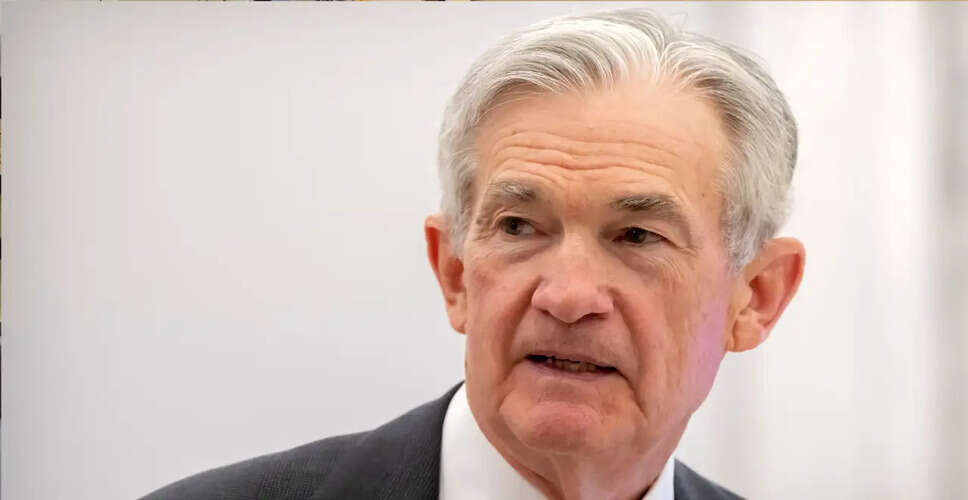

Federal Reserve's Decision on Interest Rates
In a recent meeting, the Federal Reserve opted to keep its benchmark interest rate steady for the third consecutive time, maintaining it at 3.6%. This decision has sparked notable dissent among committee members, the highest since October 1992. The Fed's statement hinted at potential rate cuts in the future, although three officials expressed disagreement with this outlook, advocating instead for the removal of any mention of future reductions. One member, Stephen Miran, called for an immediate cut.
The dissenting opinions highlight the divisions within the Fed's 12-member committee, especially as Chair Jerome Powell approaches the end of his term on May 15. The Senate Banking Committee has already approved Kevin Warsh, a Trump appointee, as Powell's successor. Warsh has been vocal about his support for rate cuts, aligning with Trump's demands.
In its statement, the Fed acknowledged that ongoing developments in the Middle East are contributing to economic uncertainty, with inflation remaining high, partly due to rising global energy prices. Warsh has indicated intentions for significant changes at the central bank, including adjustments to its economic models and communication strategies. However, with inflation currently above the Fed's target of 2%, implementing the desired rate cuts may prove challenging.
The dissenting officials included Beth Hammack from the Cleveland Fed, Neel Kashkari from the Minneapolis Fed, and Lorie Logan from the Dallas Fed. Historically, regional Fed presidents tend to dissent more frequently than their Washington-based counterparts.
As Powell likely presides over his final meeting as chair, he is expected to address whether he will remain on the Fed's board of governors after his term ends. Typically, chairs leave the board upon completing their leadership terms, but Powell has hinted at the possibility of staying on, which would be unprecedented since 1948. If he chooses to remain, it could prevent Trump from appointing a new member to the board, intensifying existing tensions between the administration and the Fed.
Currently, the economic landscape is complex, with inflation reaching a two-year high of 3.3%, driven by rising gas prices due to the ongoing war. This situation complicates the Fed's ability to lower rates, as they usually refrain from cuts when inflation is on the rise. Meanwhile, job growth has stagnated, leaving many job seekers frustrated, although layoffs remain low as companies adopt a cautious hiring approach. The unemployment rate has slightly decreased to 4.3% from 4.4% in March, suggesting that as long as unemployment remains low, the Fed may not feel the need to reduce rates to stimulate spending and hiring.