
FBI Confirms Hezbollah-Inspired Attack on Michigan Synagogue
Details of the Attack
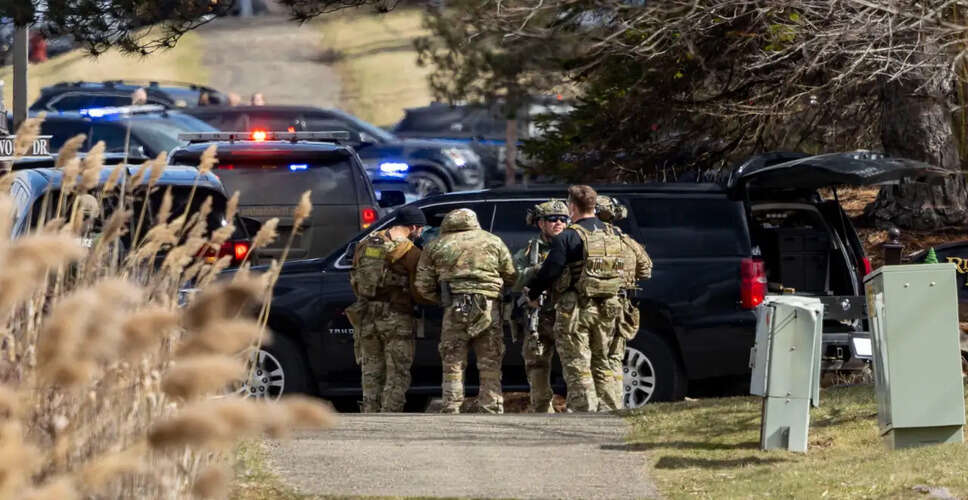
The FBI has officially labeled the March 12 assault on a synagogue in West Bloomfield, Michigan, as a terrorist act inspired by Hezbollah, specifically targeting the Jewish community and the state's largest Jewish temple. Investigators identified Ayman Ghazali, a 41-year-old naturalized US citizen from Lebanon, as the perpetrator. At the time of the attack, over 100 children were present in the building for school activities. Authorities reported that Ghazali spent more than two hours in the parking lot before driving a pickup truck into the synagogue, hitting a security officer before the vehicle became stuck in a hallway. Security personnel engaged in a gunfight with Ghazali, who ultimately succumbed to a self-inflicted gunshot wound. The truck, which ignited during the incident, was discovered to contain explosives and flammable liquids, believed to be gasoline, resulting in significant damage to the structure. Fortunately, no fatalities occurred, although a security officer sustained injuries.
FBI's Findings on Ghazali's Connections
FBI Details Hezbollah Links And Planning Timeline
The FBI disclosed that Ghazali had previous associations with individuals connected to Hezbollah, the Iran-supported militant organization based in Lebanon. Officials noted that just a week prior to the attack, two of Ghazali's brothers were killed in an Israeli airstrike, one of whom was recognized by Israel as a Hezbollah commander involved in arms operations. Investigators found substantial digital evidence indicating Ghazali's increasing radicalization. Since January 2026, he had been searching for pro-Hezbollah and Iranian materials, as well as information related to firearms and shootings. In the days leading up to the incident, he closely monitored speeches from Hezbollah leader Naim Qassem and reports regarding an Iranian fatwa advocating for total jihad against US forces.
The FBI outlined a detailed timeline:On March 9, Ghazali began researching synagogues, acquired a firearm and ammunition, practiced at a shooting range, and purchased fireworks. He also created a social media album titled “vengeance,” which contained propaganda and images of his deceased family members, and bought torch lighters believed to have been used to ignite his vehicle. On the day of the attack, Ghazali posted anti-Israel messages and communicated with his sister about his plans, asserting that he had “booby-trapped” his vehicle and aimed to “kill as many” individuals as possible. The FBI confirmed that there is no evidence of accomplices, and Ghazali was not under active investigation or listed on any terrorist watchlist.