
Exploring Potential Political Leaders in Iran Amid Ongoing Conflict
Shifting Focus in Washington
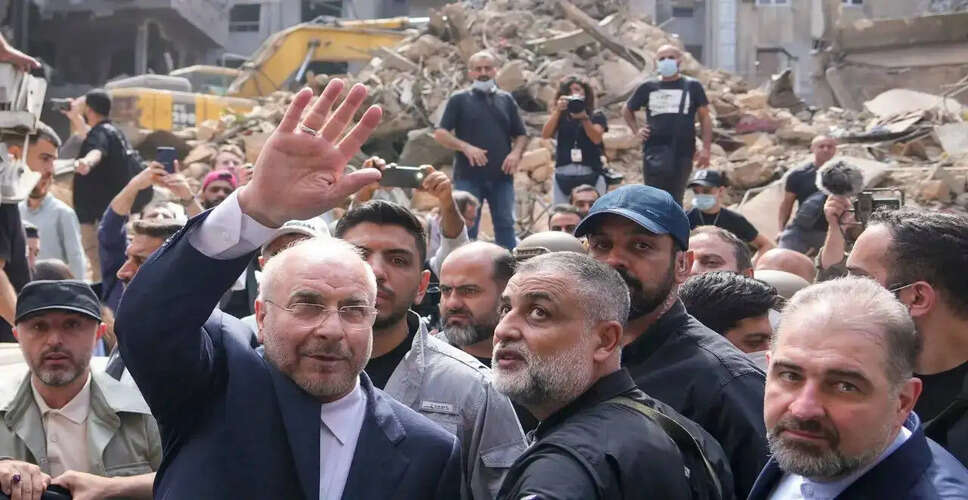
As the conflict in Iran continues to evolve, discussions in Washington are gradually transitioning from military strategies to the political landscape in Tehran. One prominent figure emerging in these discussions is Mohammad Bagher Ghalibaf, the current speaker of Iran's parliament. Ghalibaf, a seasoned insider with connections to both military and political spheres, is reportedly being evaluated by US officials as a potential negotiator or future leader, should the situation shift towards diplomacy.
A Hardliner with Military Credentials
A Hardliner With Operational Experience
Ghalibaf's background is deeply rooted in military service, having joined the Islamic Revolutionary Guard Corps (IRGC) during the Iran-Iraq War. By his twenties, he had ascended to leadership roles, including heading the IRGC’s Aerospace Force, which is integral to Iran's missile capabilities. This military experience is particularly relevant given the current conflict characterized by missile exchanges and drone warfare, making Ghalibaf a significant player in Iran's strategic decision-making.
Political Journey and Influence
From Security Chief To Political Operator
Transitioning into politics, Ghalibaf served as the chief of Iran’s national police in 1999, advocating for a strong response to civil unrest while promoting modernization within the force. His political ambitions have seen him run for the presidency multiple times, albeit unsuccessfully. His most notable tenure was as mayor of Tehran, where he focused on infrastructure development, despite facing criticism for governance issues. In 2020, he took on the role of parliament speaker, placing him at the heart of legislative power during a tumultuous period for Iran.
Current Relevance of Ghalibaf
Why He Is Being Discussed Now
The renewed interest in Ghalibaf is closely linked to the ongoing war, which has destabilized Iran's leadership and created a vacuum. With key leaders lost and command structures under pressure, analysts in Washington are evaluating who within Iran's political framework possesses the authority and pragmatism to engage in potential negotiations. Ghalibaf, while a hardliner, is seen as someone who could negotiate under favorable conditions, making him a focal point in these discussions.
Denials and Strategic Messaging
Denials And Strategic Messaging
Despite the speculation, Ghalibaf has publicly denied any engagement with the US, labeling such reports as “fake news” and accusing the previous administration of manipulating narratives to affect oil markets. This denial aligns with Tehran's consistent rejection of direct talks, even as indirect communications have been suggested. Such discrepancies between public statements and backchannel assessments are common in large-scale conflicts, often serving strategic purposes beyond mere truthfulness.
Conclusion: A Central Figure in Uncertain Times
A Figure, Not A Conclusion
Currently, Ghalibaf remains a pivotal figure within Iran's political landscape, operating within its established framework. The notion of him as a potential leader backed by the US is still speculative, reflecting ongoing deliberations in Washington about possible future scenarios. The war has broadened the scope of these discussions, shifting the focus from military actions to political outcomes and the individuals who may influence them.