
European Nations Resist Trump's Call for Naval Support in Strait of Hormuz
European Response to Trump's Appeal
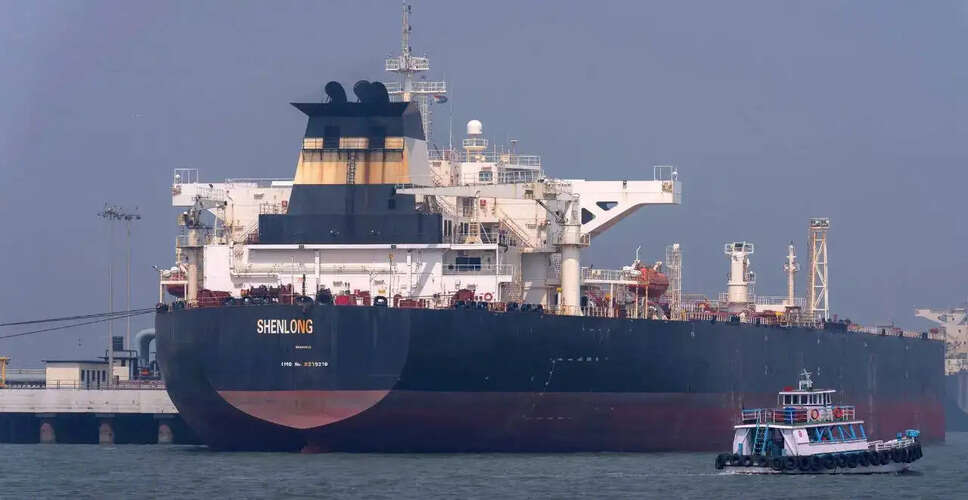
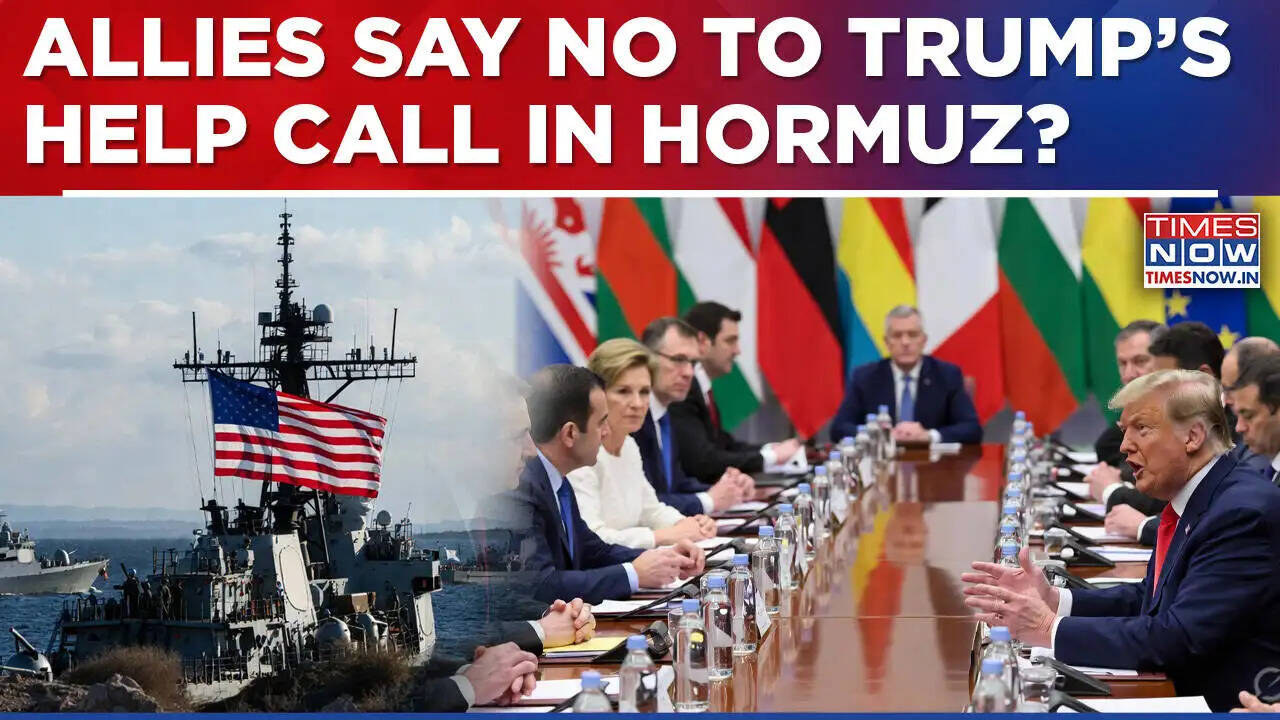
In light of the ongoing conflict with Iran, several European nations have pushed back against Donald Trump's request for assistance in reopening the Strait of Hormuz. This vital maritime route, responsible for transporting approximately 20% of the world's oil, has been shut down due to escalating tensions, leading to a surge in global energy prices. Trump has called on allies to deploy naval forces to ensure the safe passage of oil tankers through the strait, warning that a lack of support from European countries could have dire consequences for NATO's future.
Germany's Stance
Germany's Defence Minister, Boris Pistorius, stated that the country would not be sending additional warships to the region, emphasizing, "This is not our war; we did not start it." He expressed a preference for diplomatic resolutions, cautioning that increasing military presence may not facilitate peace.
France's Position
The French foreign ministry confirmed that its naval deployment in the eastern Mediterranean would remain unchanged, asserting that their posture is strictly defensive.
UK's Approach
British Prime Minister Keir Starmer declared that the UK would not engage in a broader conflict with Iran, stating at a press conference, "My leadership is about standing firm for British interests, regardless of external pressures." He noted that while discussions with allies regarding the Strait of Hormuz are ongoing, the UK will not be drawn into a larger war.
Italy's Response
Italy's Foreign Minister, Antonio Tajani, dismissed the notion of deploying the Italian navy to escort tankers, stating, "We are not involved in military operations in the Strait of Hormuz." He noted that no European nation has proposed sending warships to enforce passage through the strait, although an Italian missile frigate is currently part of a multinational group in the eastern Mediterranean.
Poland's Position
Poland has also ruled out participation in military actions against Iran. Foreign Minister Radoslaw Sikorski mentioned that there had been no discussions regarding sending Polish forces to the Strait of Hormuz, expressing concern over Trump's comments about NATO, stating, "It's a bit worrying that President Trump refers to NATO as ‘them' or ‘Europe' rather than ‘us.'"
Rising NATO Tensions
This situation underscores the increasing strain between Washington and European capitals amid the ongoing conflict with Iran. Trump has frequently criticized NATO members for not contributing sufficiently to their defense. He remarked, "It will be interesting to see what country wouldn't help us with a very small endeavor." However, some military experts argue that NATO was not intended for such operations. Nick Carter, the former chief of the UK's defense staff, noted that NATO was primarily established as a defensive alliance, not for offensive military actions. For European leaders, the choice to engage carries significant political and economic implications, as involvement could escalate the conflict with Iran, while abstaining may exacerbate the energy crisis affecting households across Europe.