
European Nations and Japan Unite for Maritime Security in the Strait of Hormuz
Collaborative Efforts for Safe Passage
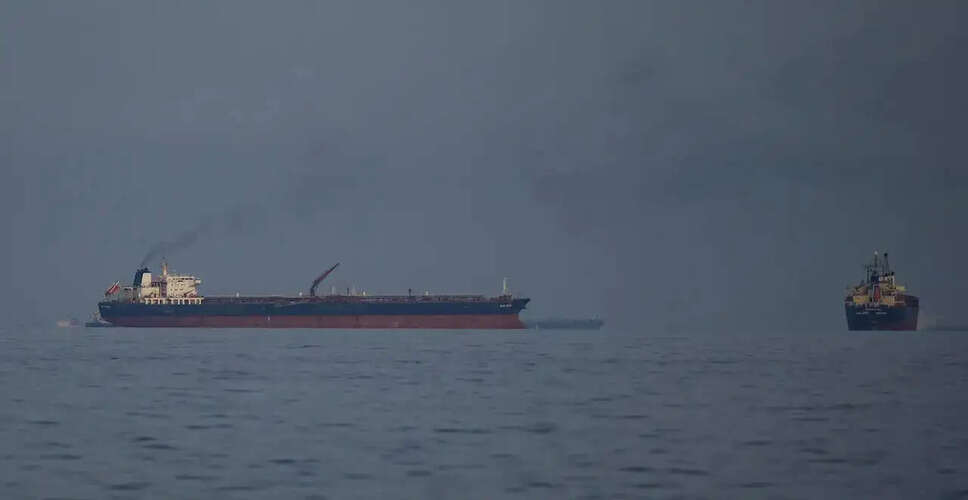
The United Kingdom, along with France, Germany, Italy, the Netherlands, and Japan, has expressed its commitment to ensuring safe navigation through the Strait of Hormuz amid escalating tensions in the Gulf region. These tensions heightened following a joint military operation by Israel and the United States against Iran on February 28, aimed at dismantling its nuclear ambitions and curbing missile development.
In a unified statement, the European nations condemned Iran's recent assaults on civilian vessels and infrastructure in the Gulf, emphasizing the need for immediate cessation of threats, including mine-laying and missile attacks. They urged Iran to adhere to UN Security Council Resolution 2817, which calls for the protection of commercial shipping routes.
International Law and Navigation
The nations reiterated that freedom of navigation is a core principle of international law, as outlined in the United Nations Convention on the Law of the Sea. They warned that Iran's actions could have global repercussions, particularly affecting vulnerable populations. They called for a comprehensive halt to attacks on civilian infrastructure, including oil and gas facilities, to maintain international peace and security.
Commitment to Maritime Security
The UK, France, Germany, the Netherlands, and Japan expressed their readiness to contribute to efforts ensuring safe passage through the Strait. They welcomed the International Energy Agency's decision to coordinate the release of strategic petroleum reserves and pledged to stabilize energy markets by collaborating with oil-producing nations.
Iran's Escalating Attacks
Recently, Iran has intensified its strikes on oil and gas facilities in the Gulf, responding to an Israeli attack on a significant Iranian gas field. This escalation has led to a surge in Brent crude oil prices, which have risen over 60% since the onset of hostilities. Analysts suggest that Israel's actions aim to pressure the Iranian government by exacerbating the hardships faced by its citizens.
Warnings from the US
Former President Donald Trump issued a stark warning, stating that the US would respond decisively if Iran continues its aggressive actions. Israeli forces have targeted Iranian positions in the Caspian Sea, while US military operations have focused on Iranian vessels in the Strait of Hormuz, striking various targets linked to Iran's oil exports.
With inputs from various sources