
Escalation in Middle East Conflict: Houthis Target Israel and Threaten Key Waterway
Rising Tensions in the Middle East
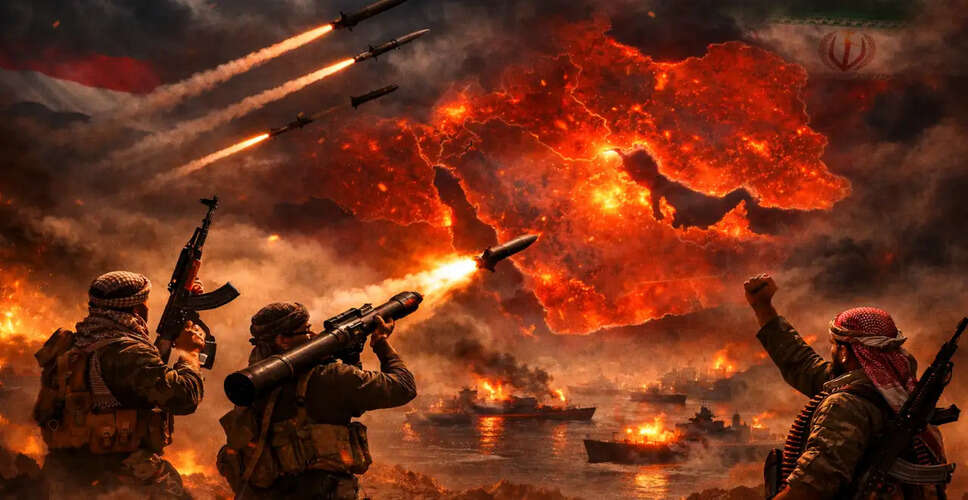
The ongoing conflict in the Middle East is poised for further escalation following the involvement of Yemen's Iran-aligned Houthi rebels, who launched two missiles towards Israel on Saturday (March 28). This group has also threatened to obstruct the Bab al-Mandab Strait, a vital waterway linking the Indian Ocean to the Red Sea and the Suez Canal. Any disruption in this strait could significantly impact the regional economy. Should the Houthis extend their offensive to Saudi Arabia or impede shipping in the Red Sea, it would intensify the ongoing conflict involving Iran and exacerbate the energy crisis. Notably, the missile strikes were deemed symbolic, as the rebels did not execute a comprehensive assault.
Motivation Behind Houthi Actions: Nasr al-Din Amer, a member of the Houthis’ politburo, stated, "Israel is at war with us and continues its aggression." He emphasized that Israel has not ceased its ambitions for a Greater Israel. On Thursday, Houthi leader Abdel-Malik Houthi suggested their potential involvement in the conflict, asserting that the Yemeni people reciprocate loyalty and commending Iran for its past support. He also called for compensation from Saudi Arabia for military actions taken against them from 2015 to 2022.
Israel's Response: While Israel has not confirmed any plans to retaliate against the Houthis, it has indicated readiness for a multi-front conflict. Israel Defense Forces spokesman Nadav Shoshani remarked, "We must prepare for this becoming part of the war, and that’s how we’re getting ready for it."
Potential Impact of Houthi Involvement: Between 2023 and 2025, the Houthis inflicted minimal damage on Israel, reportedly launching around 100 missiles and over 300 drones, resulting in only one fatality. However, if they target Saudi Arabia and the UAE, the situation could escalate dramatically. These two allies of the US have faced numerous missile and drone attacks from Iran since the conflict's onset on February 28. The Houthis control a significant portion of Yemen’s Red Sea coastline and possess the capability to inflict serious damage on merchant vessels in the Red Sea, equipped with various weapons, including anti-ship missiles and drones. The Bab al-Mandab Strait, a critical shipping route through which approximately 12% of global oil passes, is particularly vulnerable to attacks.
Iran has already established significant control over the Strait of Hormuz, through which 20% of oil and natural gas shipments transit. A blockade of the Bab al-Mandab Strait could precipitate a severe global energy crisis.
Background on the Houthis: The Houthis, representing Yemen’s Shia Muslim minority known as the Zaidis, emerged as an armed faction in the 1990s and have been in conflict with the Yemeni government for over two decades. Following the 2011 Arab Spring, they captured Yemen’s northern province, including the capital Sanaa, and much of the Red Sea coastline. They are also part of Iran's "Axis of Resistance."
Current State of the Middle East Conflict: The conflict, which began on February 28 with joint airstrikes by the US and Israel targeting Iran, has now reached its 31st day, with reports indicating around 3,000 fatalities. In retaliation for these strikes, Iran has been targeting Israeli and US military assets, as well as other locations in Gulf nations.