
Escalating Tensions: US and Israel Launch Major Strikes on Iran Following Khamenei's Death
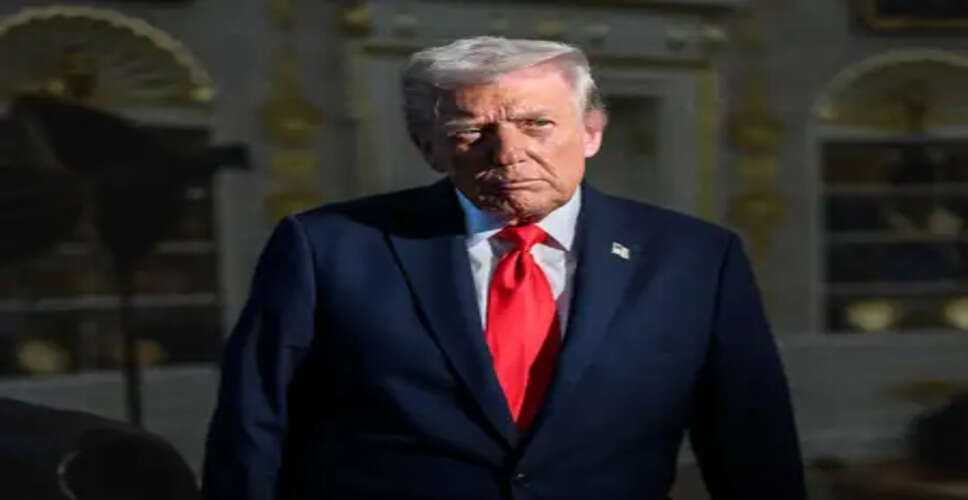
Intensifying Military Actions in Iran
In a dramatic escalation of military operations, the United States and Israel targeted various locations in Iran on Sunday, focusing on ballistic missile facilities and naval assets. This offensive follows the assassination of Supreme Leader Ayatollah Ali Khamenei, leading to widespread destruction and significant casualties.
Reports indicate that over 200 individuals have died since the commencement of these airstrikes, with explosions reverberating throughout Tehran and smoke billowing into the sky.
As the conflict escalates, the potential for broader regional involvement increases. Hezbollah, the Lebanese militant group, has claimed responsibility for attacks on Israel, prompting retaliatory strikes. Gulf nations have also expressed their readiness to respond to Iranian aggression, particularly after civilian casualties were reported.
Iran has vowed to retaliate, launching missiles at both Israel and neighboring Arab states, resulting in the deaths of three U.S. service members—the first American fatalities in this ongoing conflict. Israeli emergency services reported multiple strikes across the country, including Jerusalem, leading to a rising death toll.
The U.S. and Israel's military campaign shows no signs of abating, with the U.S. deploying B-2 stealth bombers to target Iran's missile infrastructure. President Trump announced on social media that significant damage had been inflicted on the Iranian navy, including the sinking of nine warships.
While some nations have opted for diplomatic solutions, Britain, France, and Germany have indicated their willingness to assist the U.S. in curbing Iranian hostilities. This marks the second coordinated military action by the U.S. and Israel against Iran in less than a year, following a previous conflict that severely weakened Iran's military capabilities.
In light of Khamenei's death, which has created a leadership void, Trump has expressed a willingness to engage in dialogue with Iran's new leadership, suggesting a potential shift in U.S. policy.
The conflict has now spread beyond U.S. military bases, with Iranian strikes reported in the United Arab Emirates, Kuwait, and Bahrain, resulting in civilian casualties. Iranian-backed militias in Iraq have also intensified their activities, further complicating the situation.
In Lebanon, Israeli airstrikes targeted Beirut in response to missile fire from Hezbollah, marking a significant escalation in hostilities. The Lebanese government has urged restraint, fearing a repeat of past conflicts with Israel.
Despite Trump's calls for an uprising against the Iranian government, reports from Tehran indicate a lack of public mobilization, with many residents remaining indoors during the airstrikes. The Iranian government has begun the process of selecting a new leader, with officials blaming the U.S. and Israel for the ongoing conflict.
Iranian leaders have issued stern warnings of retaliation, promising severe consequences for the U.S. and Israel. Trump has cautioned against further Iranian aggression, threatening unprecedented military responses.
An Israeli military official revealed that the operation leading to Khamenei's death was the result of extensive planning and coordination with U.S. forces, highlighting the strategic nature of the strikes.